Ukraine and Sweden Sign Letter of Intent for 100–150 Gripen Fighters
LINKÖPING, Sweden — In a significant development for European defence cooperation, Ukraine and Sweden have formalised their intent to embark on a long-term deal for the acquisition of up to 150 Swedish-built multirole fighter jets.
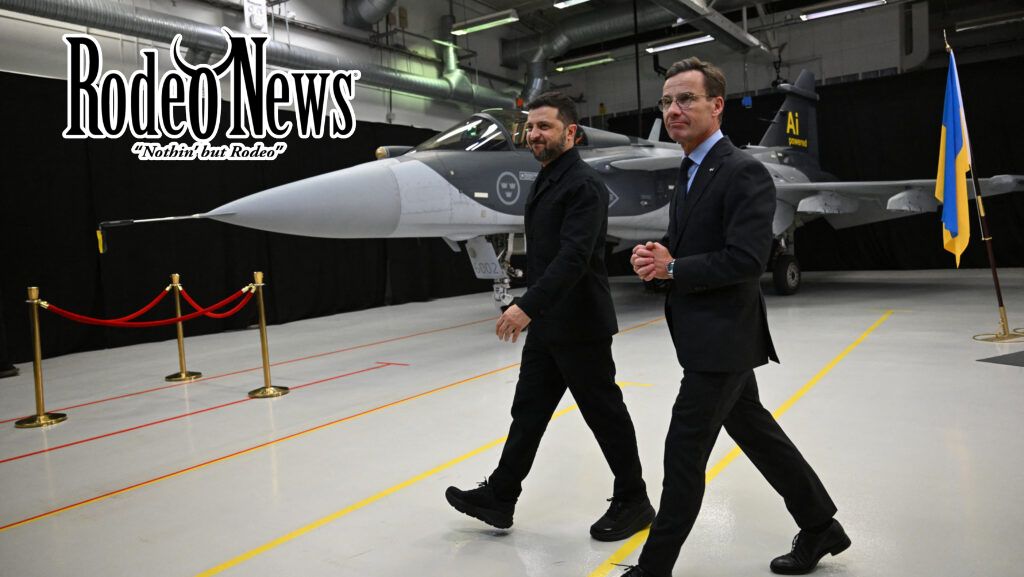
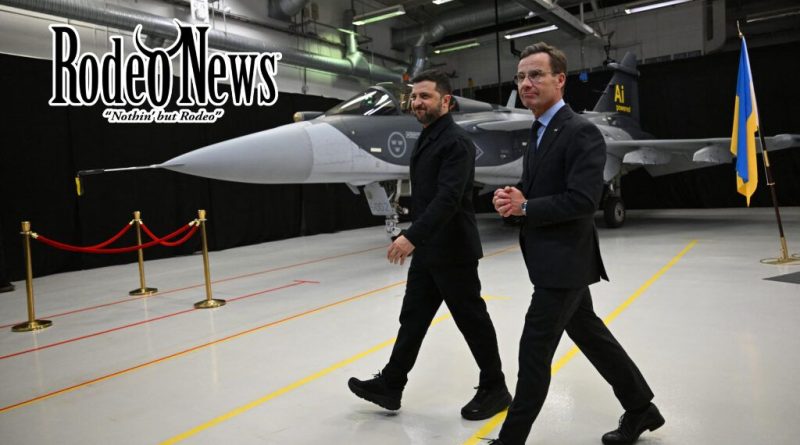
On 22 October 2025, Ukrainian President Volodymyr Zelenskyy and Swedish Prime Minister Ulf Kristersson announced a letter of intent during a joint event at the production facility of Saab AB in Linköping. The agreement sets in motion a framework for Ukraine potentially to acquire between 100 and 150 units of the latest model JAS 39 Gripen E fighter aircraft.
A long-term vision for air power
According to Kristersson, the letter of intent marks “the beginning of a journey” that stretches across a decade or more. He described the move as a strategic step for both Ukrainian security and Swedish defence industry exports. The Gripen E, manufactured by Saab, is a modern fourth-generation single-engine multirole fighter, capable of air-to-air combat, ground-attack missions and reconnaissance.
While the arrangement is not a binding contract and deliveries are expected to be gradual — with first units possibly arriving in around three years — the announcement signals Ukraine’s intent to modernise its air fleet amid its ongoing war with Russia.
Strategic benefits and timing
For Ukraine, securing access to the Gripen E would enhance its ability to conduct air operations from distributed air bases and less developed runways, thereby increasing resilience. Analysts note the aircraft’s suitability for austere operating environments.
For Sweden, the deal offers a substantial export opportunity for Saab, as well as deepened defence cooperation with a key regional partner. Kristersson highlighted that strengthening Ukraine contributes to European security more broadly.
However, the Swedish government and defence officials emphasize that this is a long-term project, with major aircraft deliveries contingent on war developments and the broader industrial and financing frameworks.
Challenges and next steps
Despite the optimism, several hurdles remain. Among them:
- Financing: Ukraine will need to secure funding and consider financing models to pay for tens of billions of dollars in aircraft and support infrastructure. According to the announcement, discussions will include frozen Russian assets and allied contributions.
- Pilot training and integration: Ukraine must continue integrating its recently acquired U.S.-made F‑16 Fighting Falcon fighters while preparing for Gripen operations, which may challenge logistics and training pipelines.
- Production lead-time: Saab and Sweden plan to ramp up production, but first deliveries to Ukraine are not expected imminently — likely around 2026 or later.
- Contract finalisation: The letter of intent is a political and industrial statement, not a final contract. Both governments and Saab must negotiate terms, delivery schedules and support packages.
Broader implications
The deal underscores how modern defence cooperation increasingly involves not just arms transfers but industrial and strategic partnerships. For Ukraine, acquiring the Gripen would mark a major shift from Soviet-era aircraft towards Western systems. For Sweden, it reflects its role as a NATO member and defence exporter.
The announcement may also impact broader air combat aircraft markets, as other countries observe the terms and implications of such a large multirole fighter acquisition.