Israel Launches Air Strikes in Gaza, Accuses Hamas of Breaking Ceasefire
Israel has escalated its military response in Gaza, launching air strikes in the southern region, claiming that Hamas has violated the ongoing ceasefire agreement. The latest attack comes amid rising tensions between the two parties, with each side accusing the other of breaching the terms of the peace deal brokered by the United States.
A spokesperson for the Israel Defense Forces (IDF) stated that Hamas had conducted multiple strikes against Israeli forces stationed beyond the “yellow line,” an area agreed upon under Phase 1 of the US-brokered ceasefire. The yellow line demarcates the boundary to which Israeli troops have pulled back as part of the agreement, which was intended to pave the way for peace after years of conflict.
However, Hamas has vehemently denied the accusations, insisting that it has adhered to the terms of the ceasefire. The group further accused Israel of violating the agreement multiple times, calling the air strikes an unwarranted escalation.
The Ceasefire Agreement and Its Fragile Foundation
The ceasefire deal, which came into effect on October 10, 2023, forms part of a broader US-backed initiative aimed at ending the two-year-long war between Israel and Hamas. Phase 1 of the agreement has led to significant developments, including the release of Israeli hostages and Palestinian prisoners, along with the return of deceased individuals to Israel.
As part of the deal, Israel also agreed to release 250 Palestinian prisoners and 1,718 detainees from Gaza. However, the peace process remains fraught with challenges as both sides have made accusations of non-compliance.
The air strikes launched by Israel came just hours after the US warned of “credible reports” suggesting that Hamas was planning an imminent attack on civilians within Gaza. This potential attack, according to the US State Department, would be a serious breach of the ceasefire and could undermine the progress made through diplomatic mediation efforts.
Despite these warnings, Hamas denied any intention of launching such an attack, accusing Israel of complicating the situation by supporting rival armed factions within Gaza. The political and military landscape in Gaza remains volatile, as Hamas continues to exert control while facing growing challenges from various armed groups.
Tensions Escalate Amid Hostilities and Internal Conflicts
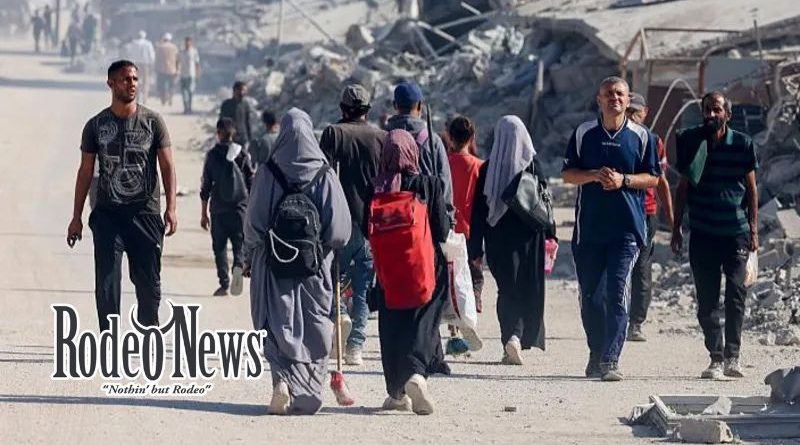
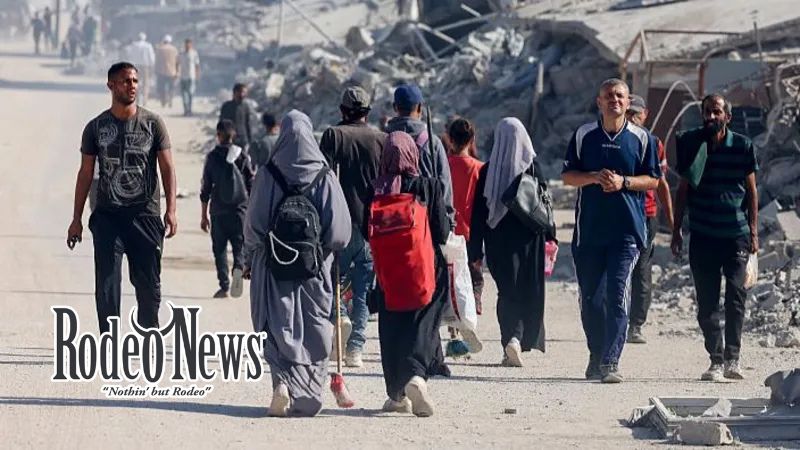
The ongoing violence between Israel and Hamas has had devastating consequences for the people of Gaza. Since the IDF launched a military campaign in response to a deadly attack by Hamas in southern Israel on October 7, 2023, the death toll in Gaza has soared. According to the Hamas-run health ministry, at least 68,000 people have been killed as a result of Israeli air strikes. The United Nations has verified these figures as credible.
The situation is further complicated by internal conflicts within Gaza. Just last week, fierce clashes broke out between Hamas security forces and armed members of the Dughmush family, a rival group in Gaza City. The violence resulted in the deaths of 27 individuals, marking one of the most severe internal confrontations since the onset of the Israeli operations.
While Hamas controls roughly 50% of the Gaza Strip, the region is rife with instability. There are reports that local gangs, some of whom are believed to have looted aid convoys, are operating freely in the eastern parts of Gaza under Israeli control. This has further strained Hamas’ authority as it attempts to reassert control over the territory.
The US Role and Global Reactions
The United States has played a crucial role in the ceasefire negotiations and has expressed concern over any further violations of the agreement. In response to the escalating tensions, the US has warned that it will take action to protect civilians in Gaza and ensure that the ceasefire remains intact.
In a statement, the US State Department emphasized that any continuation of violence or breach of the ceasefire would have dire consequences for the peace process. “If Hamas proceeds with this attack, measures will be taken to preserve the integrity of the ceasefire,” the statement read.
While the US has warned Hamas against further violence, it has stopped short of committing military intervention in Gaza. President Donald Trump had previously stated that if Hamas continues to kill civilians, “we will have no choice but to go in and kill them.” However, Trump later clarified that US troops would not be sent into Gaza.
The Path Forward: A Fragile Peace?
Despite the intense hostilities and accusations, the ceasefire agreement still holds, for now. However, both Israel and Hamas appear to be walking a fine line, with each side accusing the other of breaking the terms of the deal. As the US continues to monitor the situation closely, the possibility of further escalations looms large.
Hamas, which has ruled Gaza for the past 18 years, faces a growing internal challenge from rival factions, some of which are reportedly being supported by Israel. The ongoing conflict has placed immense pressure on Hamas’ leadership, which is working to maintain control while navigating the complex geopolitical landscape of Gaza.
The ceasefire agreement, while providing temporary relief, remains fragile, and its long-term success depends on the willingness of all parties to honor its terms. With accusations and counter-accusations flying, the future of Gaza remains uncertain, and the people caught in the crossfire continue to bear the brunt of the conflict.
Conclusion
As air strikes continue and accusations of ceasefire violations intensify, the path to lasting peace in Gaza remains unclear. The fragile ceasefire, brokered by the US, is under increasing strain as both Israel and Hamas prepare for the next phase of the conflict. The international community, led by the US, must continue to press for accountability from all parties involved to ensure that the agreement is upheld and that the people of Gaza can finally experience the peace they desperately need.