Tariffs Drive Up U.S. Inflation — More Price Hikes on the Horizon, Economists Warn
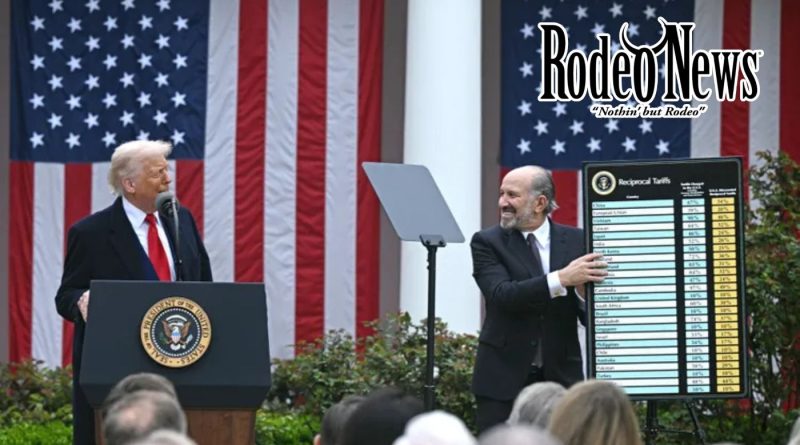
Washington D.C. / New York, October 19, 2025 – A wave of import tariffs imposed by the U.S. government is increasingly being felt in Americans’ wallets, as companies pass rising costs onto consumers and economists warn that further price increases are likely.
The Invisible Tax on Consumers
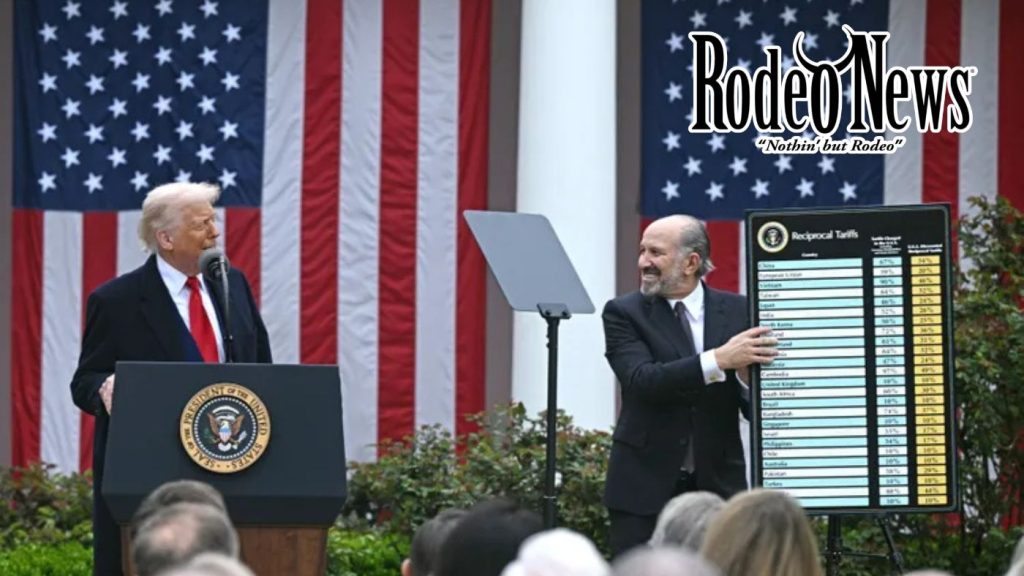
According to recent analyses, U.S. consumers are paying a growing share of the costs tied to import tariffs. One estimate from Goldman Sachs suggests that around 55 % of tariff‑related costs are already being borne by customers—with that share potentially rising to 70 % next year.
Meanwhile, the Federal Reserve’s preferred inflation gauge, the core Personal Consumption Expenditures index (PCE), is estimated to have been lifted by approximately 0.4 percentage points due to tariffs—meaning without the tariffs, core inflation could have been around 2.5 % instead of the 2.9 % recorded.
Companies Are Feeling the Squeeze — Consumers Next
Tariffs act as a tax on imports, raising costs for U.S. businesses that rely on foreign‑sourced goods or components. These businesses often have three choices: absorb the cost, reduce margins, or raise prices. Analysts say the latter option is increasingly being chosen.
In some sectors, the pass‑through of costs has already been observed. Durable goods, appliances and imported components are among those seeing price increases. Other firms, however, are still delaying price hikes until their inventories bought before the tariff rises are depleted.
Why Inflation May Stick Around Longer
Trade‑policy experts warn that the effects of tariffs on inflation go beyond import shocks. They argue that when intermediate goods—inputs used in manufacturing—become more expensive, the cost rises cascade through supply chains, potentially making inflation more persistent.
Additionally, the lag between tariff implementation and consumer‑price impact means that companies may still be working through pre‑tariff inventories. Once these are exhausted, price increases could accelerate.
Macroeconomic Risks: Slower Growth, Tougher Choices
Although inflation is rising, growth is showing signs of strain. Some economists warn that the combination of higher prices and weaker demand could push the economy toward “stagflation” — low growth paired with high inflation.
For the Fed, these developments complicate monetary‑policy choices. Rising inflation tied to tariffs may temper expectations for rate cuts, while slower growth would point toward easing—creating a policy dilemma.
The Outlook: What to Watch
- Upcoming inflation releases: If tariffs are still being passed to consumers, data in the coming months may show further bumps in core inflation.
- Corporate pricing behaviour: Watch for firms announcing cost hikes or citing higher import duties as pressure points.
- Consumer confidence and spending: Higher prices may dent household budgets, reducing demand and growth.
- Policy response: The Fed and U.S. Treasury will be closely watching whether inflation pressures become broader‑based or remain confined to tariff‑sensitive sectors.