U.S. Support for Argentina May Hit $40 Billion Amid Backlash Over Trump’s Expanding Rescue Plan
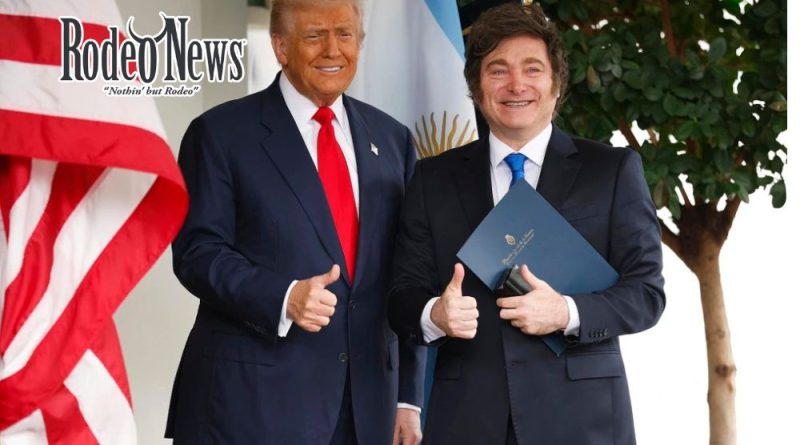
Washington, D.C. — The Trump administration is preparing to double its financial support package for Argentina to $40 billion, prompting political controversy at home and economic debate abroad. Treasury Secretary Scott Bessent confirmed Wednesday that an additional $20 billion in private-sector funding is being arranged, marking a significant escalation in U.S. intervention aimed at stabilizing Argentina’s troubled economy.
Speaking in Washington, Bessent emphasized that the added tranche of aid would come from private lenders, not American taxpayers.
“It is a private-sector solution to Argentina’s coming debt payments,” Bessent said, underscoring the administration’s efforts to minimize public spending.
The funding, according to Bessent, would be sourced from global banks and sovereign wealth funds, and it would complement a previous $20 billion loan announced earlier this year. While much of the structure remains undisclosed, the Treasury is positioning the program as a backstop to help Argentina navigate its deepening debt crisis without requiring direct congressional approval.
Milei Faces Economic Headwinds
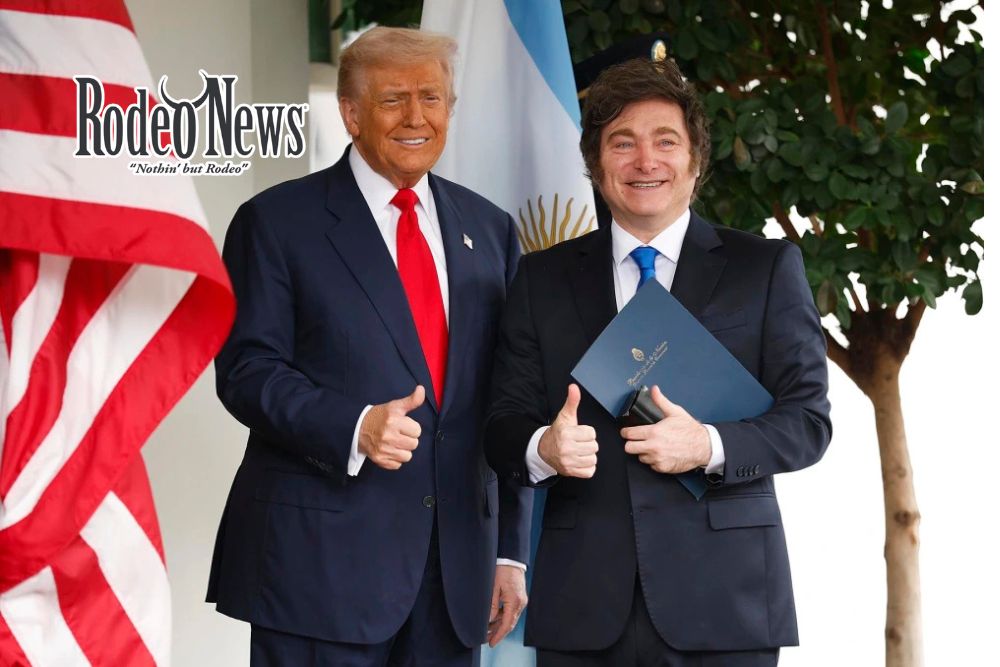
The move comes as Argentine President Javier Milei, a close ally of Donald Trump, faces mounting domestic resistance to his sweeping austerity agenda. Milei’s proposed budget cuts, aimed at shrinking Argentina’s bloated public sector, have drawn criticism at home and triggered unease among foreign investors.
Investors have begun selling Argentine assets, driving the peso into a steep decline and threatening to unravel the government’s economic reforms. In response, the Trump administration initiated direct interventions in Argentina’s currency market, quietly purchasing pesos to stabilize its value.
“We are still in the market,” Bessent confirmed, suggesting that U.S. operations to support the peso remain ongoing.
Systemic Risks and Economic Fragility
Despite the financial lifeline, many economists warn that even $40 billion in U.S.-backed aid may not be enough to address Argentina’s long-standing structural problems.
“The current strategy is extremely fragile,” said Barry Eichengreen, a professor at the University of California, Berkeley. “Even if they manage to skate through thin ice this time, there are always more bumps in the road.”
Argentina has defaulted on its sovereign debt three times since 2000 — most recently in 2020 — and its central bank reserves remain under pressure. With inflation running high and capital flight accelerating, critics argue that short-term financial support may only delay an inevitable reckoning.
Domestic Criticism Mounts in U.S.
The proposed expansion of the Argentina rescue package has triggered fierce criticism in Washington, particularly among Democrats and rural lawmakers. Many question why the U.S. is prioritizing foreign financial rescues while key sectors of the American economy remain under strain.
“Trump is DOUBLING his bailout for Argentina. Meanwhile your health care premiums are about to DOUBLE,” wrote Sen. Ruben Gallego (D-Ariz.) on X, formerly Twitter. “$40 BILLION to help Trump’s elite friends. $0 to lower costs for American families.”
Others point to the consequences of Argentina’s policy changes following the first $20 billion installment. Soon after receiving initial U.S. aid, Buenos Aires suspended export taxes on soybeans — a move that allowed China to purchase discounted Argentine soy, cutting into the global market share of American farmers.
“This is such a slap in the face to America’s family farmers,” said Rep. Angie Craig (D-Minn.), ranking member of the House Agriculture Committee. “They’re already hurting because of Trump’s trade war, and now we’re watching China snub U.S. soy in favor of Argentina.”
Beijing has reportedly reduced its soybean imports from U.S. producers, deepening the frustration among American agricultural communities already grappling with reduced exports and lower prices.
Unanswered Questions and Political Fallout
Details surrounding the terms of the additional $20 billion remain murky. While the initial loan was reportedly structured without clear repayment conditions, it’s uncertain whether the new package will include enforcement mechanisms or fiscal oversight.
With the 2026 election cycle looming, critics warn that the financial assistance to a right-wing South American leader could become a flashpoint in the debate over Trump’s foreign policy and fiscal priorities.
Meanwhile, international observers remain skeptical that external cash infusions will be enough to pull Argentina out of its economic quagmire.
As President Milei presses forward with his market-shock reforms, and Washington expands its financial commitment, both governments are betting big — not only on economic revival but on political survival.