Taliban Accuses Pakistan of Drone Strikes on Kabul Hours Before Ceasefire Agreement
KABUL, Afghanistan — Tensions between Afghanistan and Pakistan surged this week after the Taliban government accused Islamabad of launching drone strikes on Kabul, striking a civilian home and market just hours before a ceasefire was reached between the two countries following a deadly week of cross-border violence.
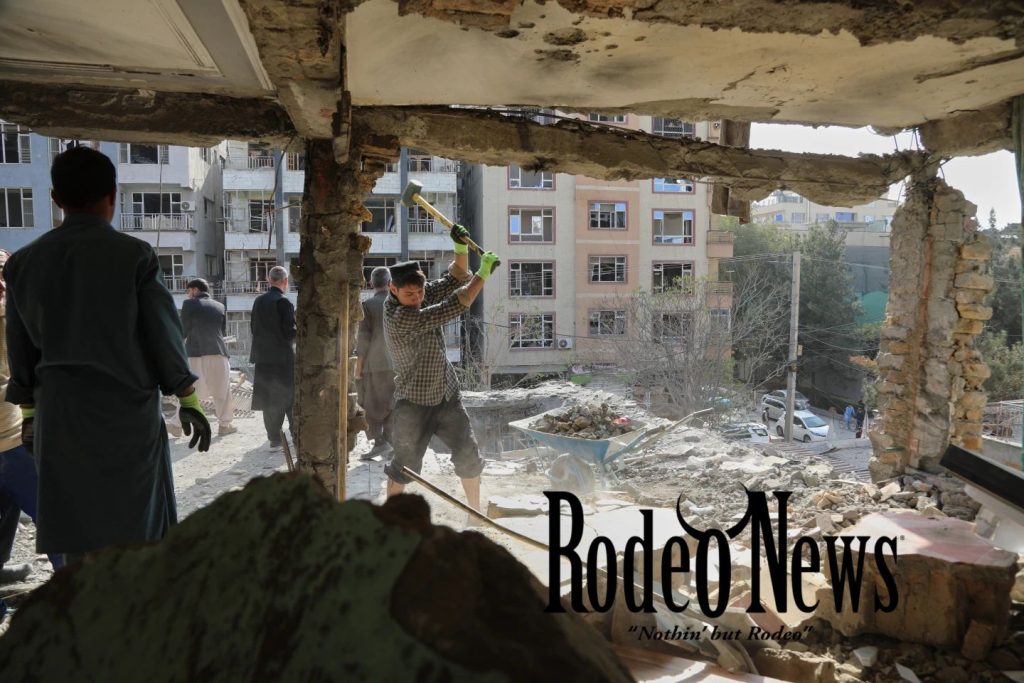
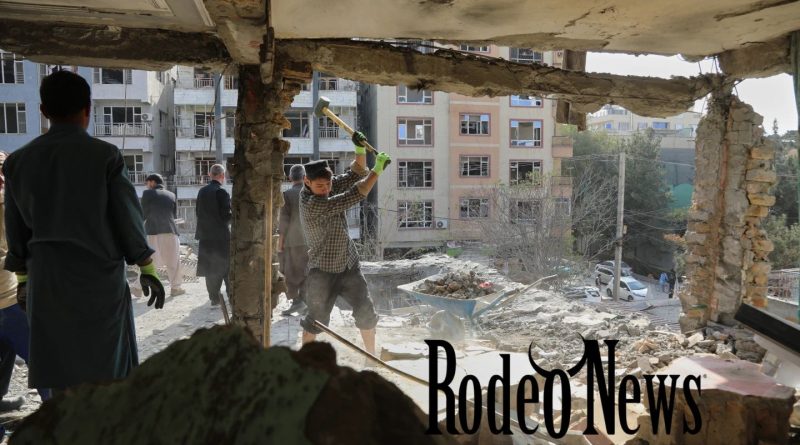
On Wednesday afternoon, unmanned aerial strikes hit targets in the Afghan capital, resulting in multiple casualties. Khalid Zadran, spokesperson for the Kabul police chief, confirmed that the drones struck a house and a marketplace, causing significant destruction. Though casualty figures were not officially released by the Taliban, doctors at local hospitals reported five deaths and dozens of injuries.
Emergency, an international NGO running a surgical center in Kabul, reported that victims sustained shrapnel injuries, blunt force trauma, and burns. Initially, Taliban spokesman Zabihullah Mujahid had downplayed the event as an oil tanker explosion, a claim quickly revised as more evidence emerged.
Violence Escalates Across the Border
The drone strikes occurred amid a rapid escalation of hostilities between the neighboring countries that began on October 10. The violence, the worst since the Taliban seized power in 2021, has left dozens dead and hundreds more injured across border provinces.
Pakistan, which has not publicly commented on the Kabul drone strike accusation, has previously stated it was targeting militant hideouts near the border. Officials speaking anonymously to the Associated Press confirmed that Pakistani forces conducted strikes on Wednesday in response to recent armed provocations.
Meanwhile, the United Nations has verified the toll of the week’s violence. According to the U.N. Assistance Mission in Afghanistan (UNAMA), 37 Afghan civilians were killed and 425 wounded in border provinces including Paktya, Khost, Kandahar, Helmand, Kunar, and Paktika. The mission further confirmed at least 16 civilian casualties during previous border clashes earlier this year.
Ceasefire Brokered Amid Mounting Pressure
Late Wednesday, both Afghanistan and Pakistan announced a ceasefire following mounting pressure from regional powers and international actors concerned about the escalating conflict and its destabilizing effect on South Asia.
Though the truce has temporarily halted active hostilities, the situation remains precarious. Key border crossings stayed closed on Thursday, and many residents remain displaced. UNAMA has urged both governments to pursue a lasting resolution.
“UNAMA calls on all parties to bring a lasting end to hostilities to protect civilians and prevent further loss of life,” the mission said in a statement Thursday.
Pakistan Silent on Civilian Toll
While Afghanistan has publicly documented its civilian casualties, Islamabad has yet to disclose numbers for its own side. However, officials in Pakistan claimed Thursday that dozens of militants crossing over from Afghanistan were shot and killed by Pakistani security forces in the Mohmand district of Khyber Pakhtunkhwa province.
Pakistan continues to accuse Afghanistan of harboring militants who use the country as a launching pad for attacks on Pakistani soil—a charge the Taliban strongly denies.
Cross-border skirmishes have remained a point of contention between the two nations, who share the volatile 2,611-kilometer Durand Line. Afghanistan has never formally recognized the boundary, complicating bilateral relations since the Taliban returned to power in August 2021 following the withdrawal of U.S. and NATO forces.
Geopolitical Implications Loom
The recent surge in violence has raised alarms among regional powers, as militant groups including the Islamic State and al-Qaida seek opportunities to regain influence in the security vacuum. The fragile ceasefire is being closely watched by global observers, with the United Nations and regional players urging both sides to prevent a further humanitarian crisis.
While the immediate threat of conflict appears paused, the underlying mistrust between Kabul and Islamabad, as well as the unresolved border disputes, continue to pose serious challenges to peace in the region.
Reported by: KilatNews Editorial Desk
Sources: UNAMA, Kabul Police, Emergency NGO, AP reporting, field correspondents.