Taiwan Maintains Confidence Amid China’s Rare-Earth Export Controls
Taipei — Taiwan’s government says it sees no significant threat to its semiconductor sector following Beijing’s recent decision to tighten export controls on rare-earth materials. The country’s Economy Ministry emphasized that the restricted elements do not overlap with those core to chip manufacturing.
What China Did and Why It Matters
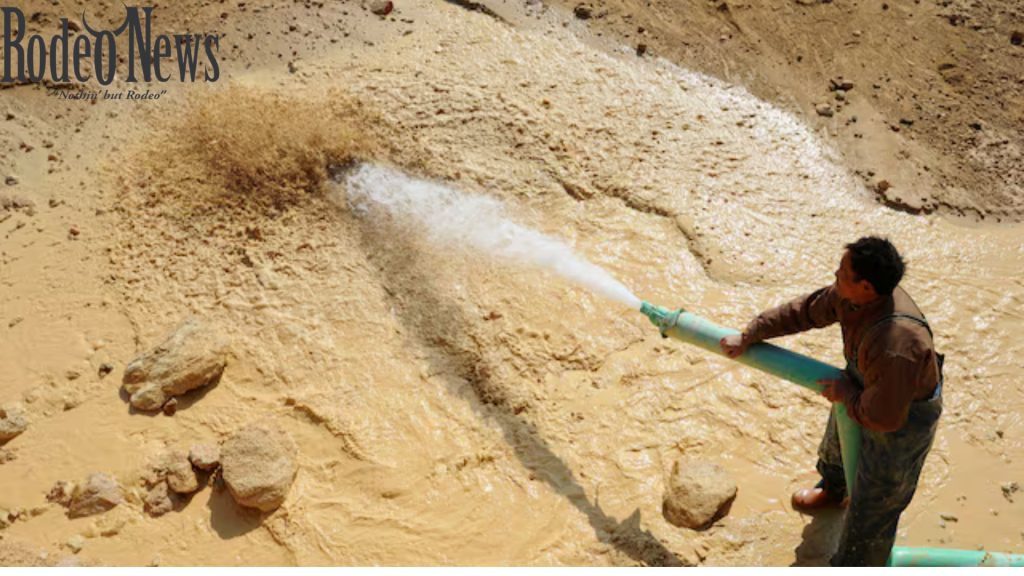
Earlier this month, China imposed stricter export controls on five additional rare-earth elements, along with increased scrutiny for chip-related users. The move is seen by analysts as part of Beijing’s effort to exert strategic leverage in high-tech supply chains.
China defended its actions by pointing to military applications of rare-earth metals and an environment of “frequent military conflict.”
Why Taiwan Says It’s Mostly Unaffected
- Different element usage: Taiwan’s officials stress that the elements China is restricting are not the same as those required for semiconductor fabrication.
- Diverse sourcing: Many of Taiwan’s rare-earth ingredient needs come from Europe, the U.S., and Japan — not reliant on China.
- Strong chip leadership: Taiwan hosts the world’s largest contract chipmaker, TSMC, which plays a pivotal role in supplying semiconductors globally.
Still, the ministry cautioned that China’s broader curbs could have a ripple effect through the supply chains of electric vehicles, drones, and other high-tech products.
Potential Risks Beyond Semiconductors
While Taiwan’s chip industry may stay mostly insulated, markets should remain alert to:
- Downstream impacts: Products like EVs, batteries, magnets, and defense components rely on certain rare-earth elements. Supply shocks could raise costs or slow production.
- Geopolitical dynamics: As China uses export controls as a geopolitical tool, nations may intensify efforts to diversify rare-earth supplies and reduce strategic dependence.
- Strategic rebalancing: Countries and firms may accelerate investment into rare-earth exploration, recycling, and alternative materials — especially in regions outside China.
Bottom Line
Taiwan is signaling calm: it claims that China’s expanded rare-earth export restrictions will have minimal immediate impact on its chip sector. But the broader global tech ecosystem — especially industries reliant on niche rare-earth metals — should keep a close watch on evolving supply constraints and strategic countermeasures