Renewable Energy Surpasses Coal for First Time in Global Electricity Generation
In a landmark moment for the global energy sector, renewable energy has officially overtaken coal as the leading source of electricity generation worldwide, according to a new report from energy think tank Ember. The first half of 2025 marked the first time in recorded history that clean energy sources — including solar, wind, and hydro — outpaced the world’s most polluting fossil fuel.
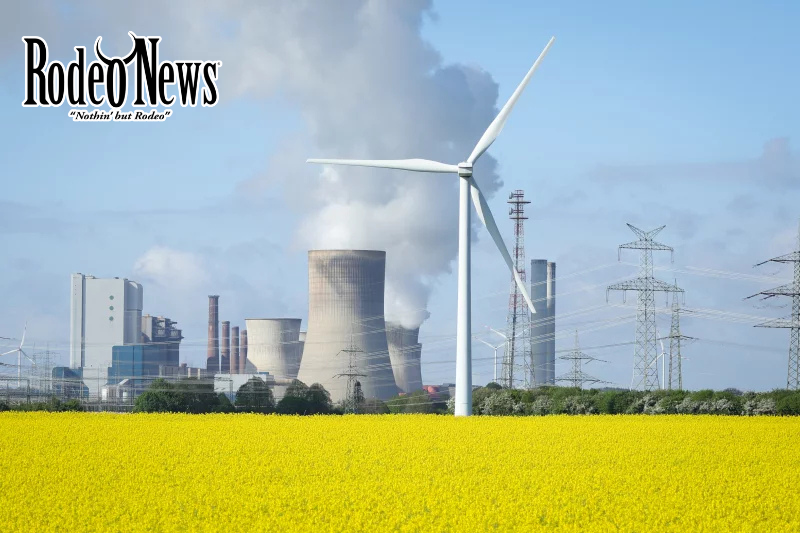
The data reveals that renewables accounted for 34.3% of global electricity generation, narrowly surpassing coal’s 33.1% share. It’s a shift that energy analysts say marks a pivotal step toward reducing greenhouse gas emissions and slowing climate change.
Developing Economies Take the Lead
Surprisingly, the charge toward renewable energy is being led not by long-industrialized nations, but by rapidly developing economies. Countries like China and India have significantly ramped up investments in clean energy infrastructure, setting the pace for global progress.
“There has been more investment in infrastructure that facilitates clean growth in emerging economies than in many advanced economies,” said Malgorzata Wiatros-Motyka, a senior electricity analyst at Ember. “Some countries are seizing the opportunity. Others are missing it — possibly without even realizing.”
Indeed, China alone was responsible for 55% of the global growth in solar power generation during the period. By contrast, the United States contributed just 14%, despite widespread availability of solar-friendly geography and technology.
Wiatros-Motyka notes that China’s strategy isn’t just environmentally motivated — it’s economic and geopolitical. By expanding its renewable capacity, China reduces its reliance on energy imports and increases national energy security.
Solar Records and Shifting Power Landscapes
Countries such as Hungary, Pakistan, and Australia also broke records, generating more than 20% of their electricity from solar energy alone. These milestones reflect both technological progress and a shifting policy landscape, as governments increasingly incentivize green energy.
Meanwhile, the global coal sector appears to be losing steam. According to Ember’s analysis, coal-fired electricity generation declined by 0.6% in the first half of 2025 compared to the same period last year.
The transition is also starting to reflect in emissions data: global carbon dioxide emissions fell slightly, signaling that clean energy growth is not just meeting new demand, but actually beginning to replace fossil fuels.
U.S. Growth Lags Amid Rising Demand
In the United States, the story is more complex. While renewables are expanding, electricity demand is growing even faster — driven by the rapid expansion of energy-hungry industries such as AI, data centers, cryptocurrency mining, and increased air conditioning use amid hotter summers.
“This is really an inflection point for the U.S.,” said Daniel Cohan, a civil and environmental engineering professor at Rice University. “Power demand had been flat for decades, and now we’re seeing it grow by 3% annually. That’s significant.”
While most new U.S. power capacity is being added through wind, solar, and battery storage, Cohan warns that if renewable deployment doesn’t keep pace, utilities will be forced to lean more heavily on existing coal and gas plants — prolonging fossil fuel use.
Infrastructure: The Remaining Hurdle
The challenge, Cohan notes, isn’t technology but infrastructure investment. Although solar and wind are now often cheaper than fossil fuels once operational, the upfront cost of building grid-scale systems — and integrating them into aging grids — remains a major barrier in many countries.
“China recognized the opportunity early,” Cohan said. “They took solar technologies originally developed in U.S. labs back in the 1950s, scaled them relentlessly, and now they manufacture the cheapest solar panels in the world.”
That kind of strategic foresight has helped China become a global solar superpower, while other nations are still playing catch-up.
A Global Turning Point
Despite the uneven progress, energy analysts believe the world may be entering a decisive new era.
“Wind and solar are finally growing fast enough that not only are they offsetting demand growth, they’re actually offsetting more than 100% of that growth,” Cohan said.
According to Ember, that’s the definition of a true tipping point — one where fossil fuel use can begin a sustained decline. If current trends continue and infrastructure investments accelerate, the historic dominance of coal could soon be a relic of the past.