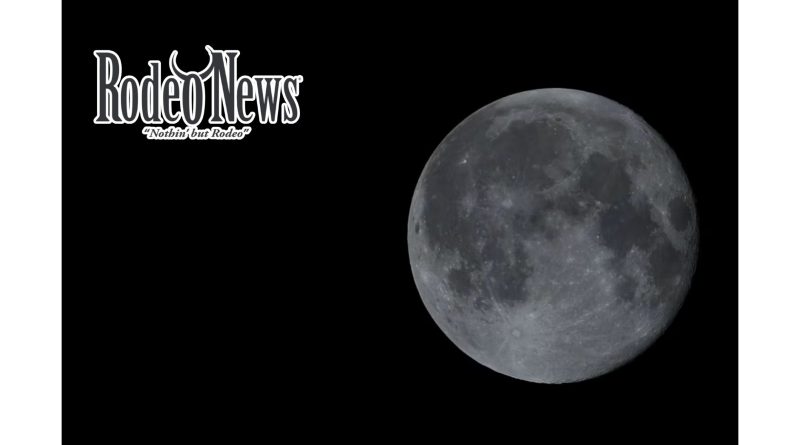
October’s Harvest Moon Ushers in the First Supermoon of 2025
October 7, 2025
Skygazers, mark your calendars: the night sky is set to put on a brilliant display as October’s full harvest moon rises—ushering in the first supermoon of 2025.
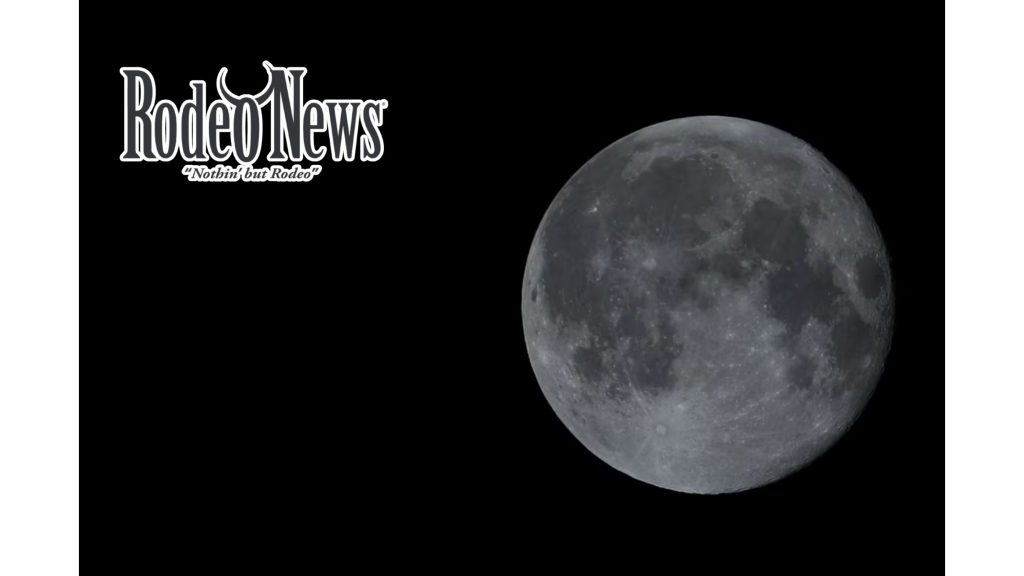
The harvest moon, glowing at its fullest on Monday, October 6, at 11:48 p.m. ET, will dominate the night sky with a luminous presence that’s both scientifically remarkable and visually unforgettable. The moon will appear larger and brighter than usual, thanks to its rare perigee position—the point where it’s closest to Earth.
While the full moon will peak Monday night, viewers should have a window to enjoy its near-full splendor through early Tuesday morning, and even into the following nights if weather permits.
“If it’s cloudy in your neighborhood on Monday, you can still catch a beautiful view the next night,” said Noah Petro, NASA’s Artemis III project scientist. “The moon remains impressively full for a couple of days.”
Why Is It Called the Harvest Moon?
The name harvest moon isn’t just poetic—it has roots in tradition. Historically, this full moon was essential for farmers, whose work extended into the night during the final weeks of the autumn harvest. The moon’s brightness provided crucial extra light, especially before the advent of modern electricity.
It’s also the closest full moon to the autumn equinox, which occurred on September 22 this year. That makes it a seasonal landmark and a signal that cooler weather and longer nights are on their way.
What Makes It a Supermoon?
A supermoon occurs when the moon’s full phase aligns with its closest orbital approach to Earth, known as perigee. During this time, the moon appears slightly larger and brighter than a typical full moon—though to the casual viewer, the difference is often subtle.
“It’s a very delicate effect,” Petro noted. “You may not notice it unless you observe the moon regularly—but it’s a great reason to start.”
This October supermoon is the first of three consecutive supermoons visible in 2025, setting the stage for even more celestial excitement in the weeks to come.
A New Chapter in Lunar Exploration
This lunar spectacle arrives just weeks after NASA introduced its latest class of astronauts, some of whom may eventually journey to the moon—and even Mars.
The Artemis II mission, scheduled for early 2026, will send a crew of four astronauts on a loop around the moon. It will be the first human lunar mission since Apollo 17 in 1972.
“What makes this moon special isn’t just its appearance—it’s the context,” Petro said. “Soon, we won’t just be admiring the moon from afar. We’ll be sending humans back to it.”
More Supermoons and Meteor Showers Ahead
October’s harvest moon is only the beginning. Skywatchers can look forward to more breathtaking lunar events in the months ahead:
- November 5: Beaver Moon (Supermoon #2)
- December 4: Cold Moon (Supermoon #3)
And if you enjoy meteor showers, the rest of 2025 is packed with opportunities to see dazzling streaks of light across the night sky:
- Draconids: October 8–9
- Orionids: October 20–21
- Southern Taurids: November 4–5
- Northern Taurids: November 11–12
- Leonids: November 16–17
- Geminids: December 13–14
- Ursids: December 21–22
Whether you’re an amateur astronomer or simply someone who enjoys a quiet night under the stars, this season’s celestial events promise plenty of moments to look up and wonder.