Arsenal Title Win Was the Best Day of Riccardo Calafiori’s Life
Riccardo Calafiori has described the Arsenal title win as the best day of his life, revealing how the club’s Premier League triumph delivered an unforgettable moment that combined sporting achievement with a personal milestone. The Italian defender also reflected on the surprising emotions surrounding Arsenal’s trophy parade, admitting that some teammates initially questioned whether they should celebrate after losing the Champions League final the previous evening.
In an interview reflecting on the most meaningful moments of his career, Calafiori explained why winning the Premier League with Arsenal meant so much to him. The championship was not simply another trophy. It represented the culmination of a demanding season, a shared achievement for the squad and a historic occasion for supporters who had waited years to see their club return to the summit of English football.
The defender’s comments also offered a revealing look at the emotional complexity of elite football. Arsenal had reached the top of the Premier League, but the disappointment of missing out on European glory remained fresh when players boarded the open-top buses to celebrate with their supporters.
For Calafiori, however, the message was clear: the disappointment of one match should not erase the achievements of an entire campaign.
1. Arsenal Title Win Becomes Calafiori’s Greatest Career Moment
Calafiori did not hesitate when discussing the significance of Arsenal’s Premier League success. Although he had collected trophies and enjoyed important milestones earlier in his career, he identified the English title as the achievement that stood above the rest.
The 24-year-old described the moment as incredibly satisfying and a tremendous relief for the club and its supporters. His remarks highlighted the collective nature of Arsenal’s success, with players experiencing the decisive moment together rather than celebrating individually.
According to his account, the squad gathered at the training ground to watch Manchester City take on Bournemouth. The result of that match confirmed Arsenal’s position as champions, allowing the players to celebrate together as the title race reached its conclusion.
The scene captured what makes a league championship different from many other sporting achievements. A single cup final can be decided over 90 minutes, extra time or penalties. A league title, by contrast, reflects performance across an entire season, demanding consistency, resilience and the ability to respond to setbacks.
For Arsenal, the championship represented the reward for months of work. For Calafiori, it also offered confirmation that his contribution to the team had become part of a successful campaign.
His description of the title as the best day of his life was particularly striking because professional footballers often struggle to separate their greatest sporting achievements from the many disappointments that accompany a long career.
Calafiori’s comments made clear that this particular occasion stood apart.
2. Why the Premier League Trophy Meant So Much
The emotional significance of Arsenal’s title becomes easier to understand when viewed against the club’s history.
Arsenal secured their first Premier League championship since 2004 in the 2025–26 season. That achievement ended a 22-year wait for the club’s supporters to celebrate another league title at the highest level of English football.
The long wait had shaped expectations around the team. Arsenal had spent recent seasons competing among England’s leading clubs, but challenging for the championship and actually winning it are very different accomplishments.
Winning requires more than attractive football or isolated runs of impressive results. Teams must manage injuries, withstand pressure, maintain focus and collect points even when performances fall below their best.
The Premier League title therefore carried significance beyond the final standings. It provided a tangible reward for the collective effort of players, coaching staff and everyone working behind the scenes.
Calafiori’s reference to the relief felt throughout the club reflected that broader context. The achievement was shared by the entire Arsenal family, not simply by the players who featured most prominently during the season.
The championship also gave supporters an opportunity to celebrate together in North London. The subsequent parade transformed the sporting achievement into a public occasion, bringing players and fans together to mark a historic moment.
For Calafiori, those celebrations became another memorable chapter in a season that had already delivered the greatest achievement of his professional career.
3. Calafiori’s Birthday Made the Title Celebration Even More Special
There was another reason the championship remained so personal for Calafiori: Arsenal secured the title on his birthday.
The defender explained that the coincidence made an already extraordinary occasion even more memorable. Celebrating a major professional achievement with teammates is special for any footballer, but doing so on a personal milestone added another layer of emotion.
Calafiori described the experience as extraordinary, emphasizing how difficult it was to explain the feeling in words.
For an athlete who has spent years working toward success at the highest level, such moments can become defining memories. The daily routine of training, tactical preparation, travel and competition often leaves little room to appreciate the scale of an achievement while it is happening.
A title celebration changes that perspective. Players can finally look back on the campaign and recognize what their work has produced.
The timing also gave Calafiori a personal story that will remain connected to Arsenal’s championship. Instead of remembering the title only as a collective sporting accomplishment, he can associate it with his birthday and the moment he celebrated alongside his teammates.
That connection helps explain why he ranked the achievement above other trophies from his career.
His remarks were not simply about winning a medal. They reflected the personal meaning that football can acquire when professional success intersects with a major moment in someone’s life.
4. Why Some Arsenal Players Considered Skipping the Trophy Parade
Perhaps the most revealing part of Calafiori’s interview concerned Arsenal’s open-top bus parade.
The celebrations took place on May 31, 2026, the day after Arsenal lost the Champions League final to Paris Saint-Germain. The defeat had denied the club the opportunity to finish its campaign with both domestic and European honours.
Calafiori acknowledged that the timing created an unusual emotional challenge. Some players were still processing the disappointment of the European final while travelling back from Hungary, where the match had been played.
According to the defender, teammates discussed whether they really wanted to participate in the parade. Their reluctance was understandable: after coming so close to winning the Champions League, the players were facing the prospect of celebrating another trophy while still feeling the pain of defeat.
The situation illustrated the psychological demands placed on elite footballers. Supporters often see the final score and the subsequent celebrations, but players must manage the immediate emotional aftermath of victory and defeat.
For Arsenal, the Champions League final represented a missed opportunity. The Premier League title, however, remained a major accomplishment in its own right.
The players ultimately chose to take part in the parade. Calafiori explained that their perspective changed when they saw the enormous number of supporters who had gathered to celebrate.
The scale of the turnout transformed their mood. What initially felt difficult became an opportunity to share the season’s achievement with the people who had supported them throughout the campaign.
The episode showed that celebrations do not always begin with unrestrained happiness. Sometimes, they require players to step back from immediate disappointment and recognize the wider significance of what they have achieved.
5. Arsenal Fans Reminded the Players of Their Achievement
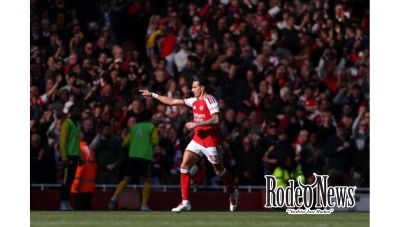
The reaction from supporters ultimately helped Calafiori and his teammates embrace the occasion.
As the open-top buses travelled through North London, Arsenal fans gathered along the route to celebrate the club’s championship. The parade became a public expression of the connection between the team and its supporters, providing a fitting conclusion to a season that had delivered the Premier League trophy.
Reports from the event described a huge turnout, with the celebrations bringing together the men’s and women’s teams, club staff and fans. The parade included a route through North London before concluding at the Emirates Stadium.
For players who had just experienced the disappointment of a Champions League final defeat, the atmosphere offered a different perspective. Their season could not be reduced to the outcome of one match.
Calafiori acknowledged that seeing so many people waiting for the team changed the players’ outlook. Their initial doubts gave way to excitement as they recognized how much the championship meant to the wider Arsenal community.
That reaction underlined an important aspect of football culture. A trophy is awarded to a team, but its significance extends far beyond the dressing room. For supporters, a championship can represent years of loyalty, anticipation and shared memories.
The parade allowed Arsenal’s players to experience that connection directly.
It also demonstrated why the club was right to proceed with the celebration despite the European disappointment. The Premier League title had been earned over an entire season, and the supporters deserved an opportunity to recognize the achievement.
6. Calafiori’s Career Shows the Importance of Teamwork
Calafiori also reflected on a much earlier achievement that had remained important to him: winning a school football tournament in Rome.
He recalled that he was around 13 or 14 years old and already playing for Roma’s youth setup while continuing to represent his school. His team reached the final of a prestigious local competition and ultimately won, despite not being considered favourites.
The team included classmates, among them a girl who played alongside the boys. Calafiori remembered how the group came together and succeeded through collective effort.
Although the tournament was far removed from the demands of professional football, the memory remained meaningful because of the relationships and teamwork involved.
That experience offers an interesting contrast with his Premier League success. The scale of the competition had changed dramatically, but the fundamental principles remained familiar.
Football requires individuals to work toward a shared objective. Talent matters, but players must also trust their teammates, respond to adversity and understand their responsibilities within a larger group.
Arsenal’s championship demanded those qualities across a full campaign. The squad needed to maintain its standards while dealing with the pressure of a title race and the expectations that come with representing one of England’s biggest clubs.
Calafiori’s recollections suggest that his appreciation for teamwork stretches back to his early development as a player.
The school tournament may not have carried the prestige of a Premier League title, but it helped shape memories that remained valuable decades later. His decision to discuss it alongside his greatest professional achievement showed that football’s personal significance is not always determined by the size of the trophy.
7. The Champions League Remains a Major Ambition
Although Calafiori celebrated Arsenal’s domestic success, the Champions League remains an obvious target for the club.
Arsenal reached the final in the 2025–26 campaign but lost to Paris Saint-Germain on penalties after the match ended level. The defeat prevented the London side from completing its season with a European crown to accompany its Premier League triumph.
For a team capable of winning the domestic championship, that disappointment may provide motivation for another attempt at European success.
The Champions League represents a different challenge from the Premier League. Clubs must navigate a demanding continental competition featuring elite opponents, with knockout matches often decided by narrow margins.
Arsenal’s final defeat demonstrated how fine those margins can be. Reaching the last match of the tournament is a significant accomplishment, but it does not guarantee the ultimate reward.
For Calafiori, the experience offers both a disappointment to overcome and a goal to pursue.
Winning the Premier League has already given him a major career milestone. Another successful campaign could allow Arsenal to build on that achievement while pursuing the European trophy that narrowly escaped them.
The defender’s reflections also highlight the importance of maintaining perspective. A season can include an extraordinary triumph and a painful defeat within the space of a few days.
Both experiences can shape a team’s future, provided the players learn from the disappointment without losing sight of their accomplishments.
Arsenal’s next challenge will be to turn the confidence gained from domestic success into another sustained push for major honours.
What Calafiori’s Comments Mean for Arsenal
Calafiori’s interview offers more than a personal reflection on a championship-winning season. It provides insight into how players process success, disappointment and the expectations surrounding a major football club.
His description of the Premier League title as the best day of his life shows the personal importance of the achievement. The fact that it coincided with his birthday made the occasion even more memorable, while the collective celebrations at the training ground gave the squad a shared moment to remember.
His comments about the trophy parade were equally revealing. Some players initially struggled with the idea of celebrating after losing the Champions League final, but the response from supporters helped them appreciate the wider significance of the season.
That perspective matters as Arsenal look toward future competitions. Elite football rarely provides a perfect ending, and even the strongest teams must learn to manage setbacks while preserving their ambition.
The Premier League title has already secured Arsenal a place in the club’s history. The challenge now is to build on that success and compete for further honours.
For Calafiori, the championship remains a defining career milestone. His account of the celebrations also serves as a reminder that football’s most meaningful moments are often about more than the result on the pitch.
They are about the work that came before the victory, the people who shared it and the memories that remain long after the final whistle.
Conclusion: A Title Worth Celebrating
Riccardo Calafiori’s reflections capture the emotional highs and lows of Arsenal’s remarkable 2025–26 campaign.
The Premier League triumph was the greatest achievement of his career, made even more special by arriving on his birthday. Although the Champions League final defeat initially complicated the celebrations, the support shown by Arsenal fans helped the players recognize the importance of their domestic success.
The experience reinforced a simple lesson: one disappointing result should not overshadow an entire season of achievement.
Arsenal have already delivered a championship that supporters waited more than two decades to celebrate. For Calafiori, the memory will remain personal as well as professional, while the prospect of future trophies provides another reason to keep pushing forward.
The Premier League title was a historic achievement. Now, the challenge is to make sure it becomes.