Ken Paxton Race: Trump Blasts Republicans as Texas Senate Contest Intensifies
President Donald Trump has intensified tensions within the Republican Party by criticizing prominent Republicans John Cornyn and Karl Rove over their handling of Texas Attorney General Ken Paxton’s campaign for the U.S. Senate. The dispute highlights the challenges facing Republicans as they work to unite their party ahead of the November 2026 midterm elections.
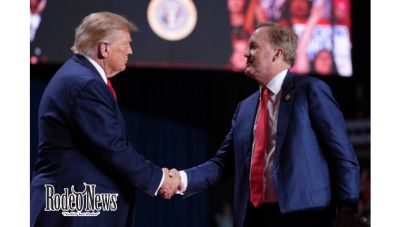
In a social media post on October 15, Trump accused Cornyn and Rove of making it more difficult for Paxton to win his Senate race. He argued that Republicans who previously supported Cornyn should unite behind Paxton, the Republican nominee facing Democratic candidate James Talarico.
The confrontation comes as the Ken Paxton race attracts national attention, with the outcome carrying potential implications for both Texas politics and the balance of power in Washington.
Trump’s remarks also expose continuing disagreements between the president’s political allies and members of the Republican establishment. Although Paxton secured the Republican nomination after a contentious contest, party unity remains a central issue as the general election approaches.
1. Trump Criticizes Cornyn and Karl Rove Over Paxton
Trump directed his criticism at two prominent Republicans: U.S. Senator John Cornyn and longtime Republican strategist Karl Rove.
In his October 15 statement, Trump accused both men of making it harder for Paxton to secure victory. He argued that they should be held responsible if the Republican candidate ultimately loses the election.
Trump also urged voters who supported Cornyn during the Republican primary to transfer their support to Paxton. His message was aimed at consolidating Republican voters behind the party’s nominee rather than allowing divisions from the primary campaign to continue into the general election.
The public criticism reflects a broader disagreement over the direction of the Republican Party and the influence of Trump-aligned candidates.
Cornyn represents a long-established Republican presence in Texas politics, while Paxton has built a political identity around conservative causes and his alignment with Trump’s political movement.
Rove, meanwhile, is a veteran Republican strategist who has played a prominent role in national Republican politics for decades.
Their disagreements illustrate how the party’s internal divisions can extend beyond competing candidates to include questions about campaign strategy, political loyalty and the future direction of the Republican organization.
Trump’s comments did not establish that Cornyn or Rove had caused Paxton’s difficulties. Instead, they presented the president’s argument that Republicans should support the nominee and avoid actions that could weaken the party’s chances.
2. Ken Paxton’s Senate Campaign Faces a Difficult Test
The Ken Paxton race has become an important test of Republican unity in a state where the party has dominated statewide elections for decades.
Paxton entered the general election after defeating Cornyn in a contentious Republican primary. That contest exposed disagreements between Republicans who supported the incumbent senator and those who preferred Paxton’s more confrontational political approach.
The primary also required significant political resources, including fundraising, advertising and organizational support.
With the nomination decided, Republicans now face the challenge of bringing together voters who backed different candidates during the primary. Trump’s intervention reflects the importance he places on preventing those disagreements from weakening the party during the general election.
However, winning a primary and winning a statewide general election are different challenges. Candidates must appeal to their own party’s supporters while also addressing the concerns of voters who may not share the same political priorities.
Paxton’s campaign therefore faces questions about how effectively it can maintain support among conservative voters while reaching a wider electorate.
Republican divisions are not unique to Texas, but the state’s Senate contest has attracted particular attention because of its potential national consequences.
The race is also a reminder that a candidate’s relationship with influential party figures can become a central issue when political organizations attempt to coordinate their resources and messaging.
3. James Talarico Gives Democrats an Opportunity to Compete
Paxton’s Democratic opponent, James Talarico, has emerged as a central figure in a contest that could test the strength of Republican support in Texas.
According to reporting by The Texas Tribune, polls had repeatedly shown Talarico with single-digit leads over Paxton in the period leading up to the October 15 developments. Such figures are snapshots of the race at a particular time, rather than guarantees of the final result.
Texas has traditionally been a strong state for Republicans in statewide elections. Consequently, a competitive Senate contest can attract attention from national party organizations, donors and campaign strategists.
For Democrats, the opportunity is to persuade voters that the election should focus on issues beyond party identity. For Republicans, the challenge is to maintain their coalition while responding to the Democratic campaign’s arguments.
Talarico’s candidacy also means the Republican dispute is taking place in a direct electoral contest, rather than an internal party debate without an immediate general-election opponent.
The Democratic campaign can seek to use Republican disagreements to draw attention to differences within the opposition. However, internal divisions alone do not determine how voters will behave. The candidates’ policy positions, public records, campaign messages and ability to mobilize supporters will also matter.
The available reporting establishes that the race has drawn national attention, but the final outcome will depend on voters and the circumstances of the election.
4. Why Republican Unity Matters in Texas
Trump’s criticism of Cornyn and Rove centers on a practical concern for the Republican Party: whether supporters of competing primary candidates will unite behind Paxton.
Primary elections frequently produce sharp disagreements. Candidates may challenge one another’s records, criticize their opponents’ strategies and appeal to different groups within the same party.
After a nominee is selected, however, party leaders often attempt to bring those groups together. Their goal is to avoid losing support because voters remain dissatisfied with the primary outcome.
In the Texas Senate contest, Trump has made that argument explicit by urging former Cornyn supporters to back Paxton.
The situation also illustrates the continuing influence of Trump within Republican politics. His endorsement and public statements can shape debates among party leaders, candidates and activists.
At the same time, the disagreement shows that the Republican Party contains political figures with different priorities and approaches. Support for Trump does not necessarily eliminate disagreements about candidate selection, campaign management or electoral strategy.
For Cornyn and Rove, Trump’s public criticism places additional attention on their relationship with the party’s nominee. For Paxton, the intervention reinforces the president’s support while keeping Republican divisions in the news.
Whether the intervention changes voter behavior is a separate question. Public endorsements can influence political conversations, but they do not automatically translate into votes.
The campaign must still convince voters that its candidate and message address their concerns.
5. The Contest Has National Implications
The Texas Senate race is important beyond the state’s borders because control of the Senate affects the federal legislative agenda.
Senators vote on legislation, confirm presidential nominees and participate in oversight of the executive branch. The balance between Republicans and Democrats can influence how easily either party advances its priorities.
A competitive race in a traditionally Republican state can therefore attract considerable attention from national political organizations.
Republican leaders have an incentive to protect seats they consider essential to maintaining their influence in Washington. Democratic strategists, meanwhile, may view a closely contested race as an opportunity to expand their representation.
The Ken Paxton race has drawn scrutiny partly because of the contrast between Texas’s established Republican voting patterns and the reported competitiveness of the contest.
The political consequences would extend beyond the candidates themselves. The campaign could affect national fundraising decisions, advertising strategies and the allocation of campaign resources.
Nevertheless, the importance of the race should not be confused with a predetermined result. Campaign developments and polling measurements provide information about the political environment, but neither establishes who will win.
The contest remains a state election in which Texas voters will make the final decision.
Paxton’s Political Background Adds to the Scrutiny
Paxton’s political history is another factor shaping the discussion surrounding his Senate campaign.
As Texas attorney general, he became a prominent figure in conservative politics and developed a national profile through legal and political disputes. His supporters have viewed his approach as a commitment to conservative priorities, while critics have raised questions about controversies surrounding his tenure.
Paxton was impeached by the Republican-controlled Texas House of Representatives in 2023 over allegations involving his conduct in office. The Texas Senate subsequently acquitted him, allowing him to remain in office. The impeachment and subsequent trial became a significant episode in Texas Republican politics.
Those events contributed to disagreements among Republicans over Paxton’s political future. They also formed part of the broader debate about whether his candidacy would unite conservative voters or create challenges for the party in a general election.
Cornyn’s primary campaign and the opposition from some Republican establishment figures reflected concerns about Paxton’s record and potential political vulnerabilities.
Paxton nevertheless secured the Republican nomination, making him the party’s candidate for the Senate contest.
Trump’s latest criticism of Cornyn and Rove shifts attention toward the question of party unity. Rather than revisiting the primary, the president has urged Republicans to focus on the general election and support the nominee.
That approach places the responsibility for building a unified campaign on Republican leaders, activists and voters who may have supported different candidates earlier in the year.
Campaign Messaging and Fundraising Remain Important
The dispute also highlights the importance of campaign organization and messaging in a high-profile Senate race.
Modern statewide campaigns rely on fundraising, advertising, voter outreach and coordination among campaign staff and outside political groups. These activities can help candidates communicate their positions and reach voters across a geographically large state.
The challenge is particularly significant when a nominee enters the general election after a divisive primary.
Candidates must establish a clear message while deciding how to address issues that matter to different groups of voters. They must also respond to criticism from political opponents and explain how their priorities differ from those of the other candidate.
For Paxton, Trump’s support offers a prominent source of political backing. However, the campaign must still communicate its own positions and persuade voters that its agenda addresses their concerns.
For Talarico, the Republican dispute creates an opening to discuss divisions within the opposing party. Yet the Democratic campaign must also present its own case to Texas voters rather than relying solely on Republican disagreements.
Fundraising and advertising can help campaigns expand their reach, but they are only parts of a larger electoral process. Voter participation, candidate credibility, local issues and the political environment can also influence the result.
The public disagreement between Trump and prominent Republicans adds another layer to a campaign already attracting national attention.
What Happens Next in the Ken Paxton Race?
The next stage of the Ken Paxton race will test whether Trump’s call for Republican unity produces a more coordinated campaign.
Republican leaders will have to decide how to respond to the president’s criticism and how to work with the nominee. Supporters who backed Cornyn during the primary will also face a decision about whether to support Paxton in the general election.
Meanwhile, Talarico’s campaign will continue competing for votes in a state where Democrats have faced longstanding challenges in statewide contests.
Early voting was scheduled to begin on October 19, according to The Texas Tribune’s October 15 reporting. That timing gave the candidates and their supporters a limited period to reach voters before ballots were cast.
The campaign’s remaining developments will help show whether the party’s internal disputes fade as election day approaches or continue to shape public discussion.
Several factors will be worth watching:
- Republican consolidation: Whether voters who supported Cornyn during the primary unite behind Paxton.
- Campaign messaging: Whether the candidates can keep attention on their preferred issues and policy priorities.
- Voter participation: How effectively both campaigns mobilize their supporters during early voting and on election day.
- National involvement: Whether Trump and national political organizations continue to devote attention and resources to the race.
- Public opinion: Whether subsequent polling shows meaningful changes in voter preferences, taking into account the timing and methodology of each survey.
These developments will provide a clearer picture of the contest without guaranteeing a particular outcome.
Conclusion: A High-Profile Test of Republican Unity
Trump’s criticism of Cornyn and Rove underscores the divisions that continue to shape the Republican Party as the 2026 midterm elections approach.
By publicly urging former Cornyn supporters to back Paxton, the president has made party consolidation a central part of the debate surrounding the Texas Senate contest.
Paxton’s campaign now faces the task of building support beyond the Republican primary, while Talarico seeks to compete in a state where Republicans have historically performed strongly in statewide elections.
The dispute also demonstrates how state-level campaigns can become national political issues when the candidates, party leadership and control of the Senate are closely connected.
Ultimately, Trump’s comments reveal the importance he places on Republican unity, but the effect of his intervention remains to be seen. The candidates’ messages, voter participation and developments during the final weeks of the campaign will all help shape the election.
For Republicans, the immediate challenge is to turn a contested nomination into a coordinated general-election effort. For Democrats, the opportunity is to persuade voters that the race deserves serious consideration beyond its partisan divisions.
The result will be determined by Texas voters, making the campaign an important contest to follow as the country moves toward the November midterms.