Judge Blocks Trump’s White House Media Ban in Key Ruling
A federal judge has extended protections for journalists from CNN, MS NOW and Politico, blocking the Trump administration from enforcing a ban that restricted their access to the White House. The decision marks a significant development in the ongoing legal battle over press freedom, presidential authority and the constitutional rights of journalists covering the U.S. government.
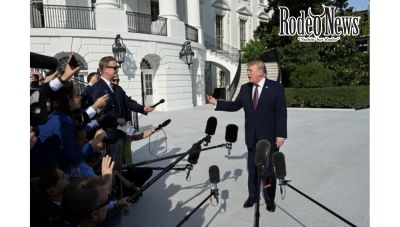
U.S. District Judge Timothy Kelly issued a preliminary injunction on October 13, 2026, finding that the three news organizations were likely to succeed in their claims that the administration violated their First Amendment free speech protections and Fifth Amendment due process rights.
The ruling allows the affected journalists to retain access to White House press areas while the lawsuit proceeds, unless a higher court intervenes. It also represents a setback for the administration as it defends its decision to revoke press credentials from reporters at the three outlets.
Trump White House Media Ban Faces Legal Challenge
The dispute began on September 18, when President Donald Trump announced restrictions targeting journalists from CNN, MS NOW and Politico in a social media post criticizing their reporting.
The administration argued that the outlets’ coverage raised concerns about accuracy, fairness and national security. However, the news organizations challenged the restrictions, arguing that the government was retaliating against journalists for reporting the president disliked.
The outlets maintained that the administration could not lawfully use access to the White House as a tool to punish critical or independent journalism.
Their legal challenge contended that the ban threatened not only the affected reporters but also the broader news industry. If the government could restrict access because of unfavorable coverage, other media organizations could face similar pressure when reporting on the president and his administration.
The case has therefore become part of a wider debate over the relationship between political power and an independent press.
Judge Questions the Administration’s Justification
In his decision, Kelly concluded that the news organizations had presented a strong preliminary case that their constitutional rights were violated.
The judge also questioned the administration’s reliance on national security concerns, finding that those arguments appeared unsupported and were raised after the restrictions had already been imposed.
Kelly emphasized that the White House had not provided the affected journalists with advance warning that their press credentials were at risk before Trump’s September announcement.
That lack of notice became an important part of the due process dispute. The outlets argued that the administration had removed their access without giving them a meaningful opportunity to respond.
The judge also noted that revoking press credentials could interfere substantially with journalists’ ability to perform their jobs. White House access can be essential for attending briefings, questioning officials and gathering information directly from government sources.
The decision affects 78 reporters across the three news organizations, underscoring the scale of the restrictions.
Why the First Amendment Matters
The First Amendment protects freedom of speech and of the press, providing a central legal safeguard for independent reporting in the United States.
In this case, the media organizations argued that the Trump White House media ban crossed a constitutional line by targeting outlets over their coverage. Their position was that government officials cannot use their control over press access to discourage reporting they consider unfavorable.
The Fifth Amendment also played a central role because it provides due process protections against certain government actions. The plaintiffs argued that the administration revoked their credentials without adequate notice or a fair opportunity to challenge the decision.
The judge’s ruling does not constitute a final judgment on every issue in the case. Instead, a preliminary injunction preserves protections while the court considers the lawsuit in greater detail.
Nevertheless, the decision signals that the plaintiffs’ constitutional arguments have sufficient legal weight to justify continued protection during the proceedings.
White House Access and Presidential Authority
The Trump administration has argued that access to the White House is a privilege rather than an unrestricted right. Government lawyers have maintained that presidents have historically exercised discretion over which journalists receive certain forms of access.
They have also argued that restrictions may be justified when the government seeks to protect national security or address serious concerns about journalistic conduct.
However, the dispute raises a difficult question: how much discretion should a president have when deciding which journalists can report from the White House?
The judge’s decision indicates that such authority may face constitutional limits, particularly when restrictions appear connected to the content or tone of news coverage.
The administration can continue to defend its position through the legal process. However, for now, the preliminary injunction prevents it from enforcing the challenged restrictions against the three outlets while the case remains pending.
Media Organizations Welcome the Decision
The news organizations welcomed the ruling as an important protection for press freedom.
Theodore Boutrous Jr., the attorney representing CNN, MS NOW and Politico, argued that the administration’s actions violated constitutional protections and caused harm to both the outlets and the public.
The legal challenge has attracted attention because White House press access allows journalists to question officials, report on policy decisions and provide information about the president’s activities.
Restrictions on that access can affect how quickly and directly reporters obtain information. They may also raise concerns about whether government officials are treating news organizations differently based on their editorial coverage.
The Justice Department, which is representing the administration, has defended the government’s authority to manage access. The case will continue as the court considers the competing legal arguments.
What Happens Next?
The preliminary injunction keeps the affected journalists’ access in place as the lawsuit moves forward. The administration may continue its legal defense and could seek further review through the courts.
The eventual outcome could have implications beyond the three organizations involved. It may help clarify the limits of presidential authority over press credentials and the protections available when journalists allege that access restrictions are retaliatory.
For news organizations, the dispute highlights the importance of transparent procedures and consistent rules governing access to government institutions.
For the administration, it presents a continuing legal challenge over how to balance security and access concerns with constitutional protections.
The ruling does not settle every question about White House press access. However, it establishes that the administration cannot enforce the disputed ban while the preliminary injunction remains in effect.
As the case proceeds, the central issue will remain whether government officials can restrict journalists’ access without violating constitutional safeguards for free expression and due process.
The decision reinforces the significance of judicial review when disputes arise between the executive branch and the press. It also keeps the broader debate over presidential power, media independence and accountability firmly in the public spotlight.