Ukraine Accuses Russia of Violating Trump’s Energy Ceasefire as EU Imposes New Sanctions
Ukraine has accused Russia of violating an energy ceasefire announced by U.S. President Donald Trump after Russian strikes hit critical infrastructure, including a thermal power plant in Kharkiv. The accusations have raised fresh doubts about the proposed agreement as European Union ministers approved nearly 1,600 new sanctions listings targeting Russia’s military-industrial complex.
Ukrainian President Volodymyr Zelenskyy called on Washington to ensure that Moscow respects any ceasefire arrangement, warning that an agreement would have little value without effective enforcement.
The dispute comes amid growing tensions between Kyiv and Washington over attacks on Russian oil refineries, rising global fuel prices and the Trump administration’s efforts to secure a pause in strikes against energy infrastructure.
Zelenskyy Says Russia Violated the Proposed Ceasefire
Speaking by video link to a conference in Warsaw on October 12, Zelenskyy said Russian forces had continued attacking Ukrainian energy facilities despite Trump’s announcement that Russia and Ukraine had agreed not to target each other’s energy systems.
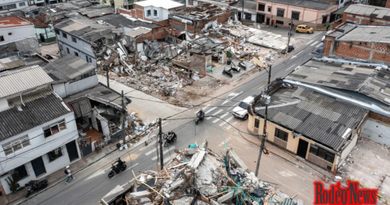
According to Ukrainian officials, Russian strikes hit multiple targets during overnight attacks, including a thermal power plant in Kharkiv. Zelenskyy also identified a gas production facility and a petrol station among the locations struck.
The Ukrainian president said Kyiv was waiting for specific details about the proposed agreement, including the conditions reportedly discussed between Washington and Moscow.
Zelenskyy also said Ukraine had not attacked Russian oil refineries overnight. However, he made clear that Kyiv would not agree to suspend its own operations against Russian energy infrastructure while Russian forces continued striking Ukrainian facilities.
He argued that a properly enforced energy ceasefire could become an important step toward ending the wider war, provided the United States took concrete action to ensure compliance.
Russia had not publicly responded to the specific accusations in the Reuters report.
Trump’s Announcement Raises Questions
Trump’s announcement that Russia and Ukraine had agreed to halt attacks on energy infrastructure surprised Ukrainian officials and European allies.
Kyiv said it had not received complete details of the arrangement before learning about it through media reports. That uncertainty has complicated efforts to determine whether the proposed ceasefire represents a formal agreement or an announcement that still requires negotiation.
The disagreement also reflects a broader challenge in the diplomatic process: ensuring that both sides follow the same conditions.
Ukraine has expressed concern that a limited energy truce could benefit Russia if Kyiv were expected to stop attacking Russian refineries while Moscow continued striking Ukrainian power plants, gas facilities and other critical infrastructure.
For Ukraine, protecting energy infrastructure is particularly important as Russian attacks threaten electricity supplies, heating systems and essential services. Damage to power facilities can affect millions of residents and increase pressure on emergency services during periods of heightened demand.
A ceasefire focused exclusively on energy targets would not necessarily end fighting elsewhere. Its effectiveness would depend on clearly defined restrictions, reliable monitoring and a credible response to violations.
European Union Approves Nearly 1,600 Sanctions Listings
As uncertainty surrounding the ceasefire grew, the European Union approved nearly 1,600 new sanctions listings targeting Russia’s military-industrial complex.
EU foreign policy chief Kaja Kallas said more than half of the listings were connected to the production chain for ballistic missiles.
The measures are intended to maintain pressure on Moscow by targeting networks and entities associated with Russia’s military capabilities.
Kallas also questioned whether Russia would respect the proposed energy arrangement, emphasizing the importance of continued international pressure.
She called on the United States to maintain sanctions pressure as part of efforts to bring the war to an end.
French President Emmanuel Macron similarly expressed skepticism, saying he had seen no indication in the preceding 48 hours that Russia was respecting an energy ceasefire.
The European response highlights concerns among Kyiv’s allies that a limited agreement could fail without sustained diplomatic engagement and enforcement.
Tensions Grow Over U.S. Support for Ukraine
The ceasefire dispute has coincided with deteriorating relations between Trump and Zelenskyy.
Trump has called on Ukraine to stop attacking Russian oil refineries, arguing that the strikes are contributing to higher diesel prices. His administration is under domestic pressure over energy costs ahead of the November 2026 U.S. midterm elections.
A person familiar with the situation told Reuters that Washington had threatened to suspend intelligence sharing and weapons supplied through the Prioritised Ukraine Requirements List, known as PURL, to pressure Kyiv over its refinery attacks.
Under the arrangement, European countries finance purchases of weapons for Ukraine using a system designed to meet Kyiv’s priority military requirements.
Any interruption to intelligence cooperation or military assistance could create additional challenges for Ukrainian forces as they defend against Russian attacks.
Germany’s minister for Europe, Gunther Krichbaum, said he expected the United States to remain a reliable partner.
The disagreement illustrates the competing priorities facing Washington and Kyiv. While the Trump administration is seeking to reduce energy costs and push both sides toward an agreement, Ukraine maintains that it needs effective security guarantees and protection against continued Russian attacks.
Deadly Attacks Underscore the Human Cost
The latest attacks have also highlighted the continuing danger facing Ukrainian civilians.
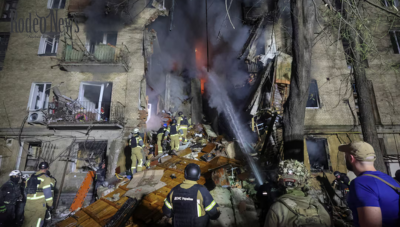
Ukrainian officials reported that Russian strikes killed six people in two cities on Sunday. At least 12 people were wounded in several attacks on Kharkiv on Monday morning, according to the city’s mayor, Ihor Terekhov.
Residents described scenes of destruction and fear as emergency teams worked through damaged buildings and infrastructure.
The attacks have reinforced doubts among Ukrainians about whether promises of an energy ceasefire can be trusted without evidence that both sides are following the same rules.
For civilians, the immediate consequences include damaged homes, disrupted essential services and continuing uncertainty over whether critical facilities will remain safe.
What Happens Next?
The future of the proposed energy ceasefire remains uncertain as Ukraine waits for clarification from Washington and questions whether Moscow will comply.
Zelenskyy has indicated that Ukraine could consider suspending attacks on Russian refineries if Russia stops targeting Ukrainian energy infrastructure. However, the precise conditions and enforcement mechanisms remain unresolved.
The European Union’s latest sanctions demonstrate that European governments intend to maintain economic pressure on Russia even as diplomatic efforts continue.
Trump’s announcement could still provide an opportunity to reduce attacks on energy facilities, but its practical impact will depend on whether the parties agree on clear terms and demonstrate a willingness to follow them.
For now, Ukraine’s accusations, the lack of publicly established enforcement arrangements and the continuing military activity leave the proposed ceasefire facing significant obstacles.
The coming days may clarify whether Washington can turn its announcement into a workable agreement or whether the dispute will further complicate relations between the United States, Ukraine and its European allies.