Unexploded Hezbollah Munition Kills Teen, Injures 24 Near Lebanon Border
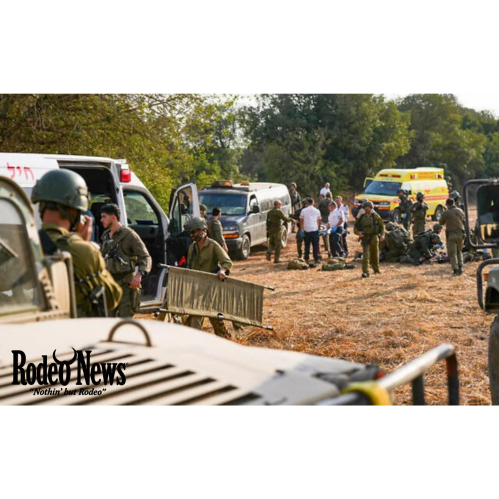
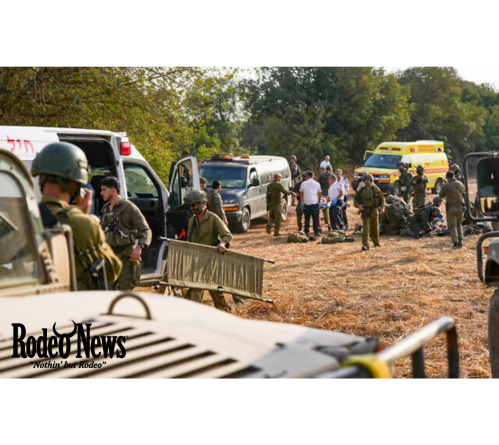
An unexploded Hezbollah munition detonated during a school hiking trip in northern Israel on October 12, 2026, killing a 14-year-old boy and injuring 24 other students and adults, according to Israeli emergency services and military officials. The explosion occurred in the Ramim Ridge area near the Lebanon border, where remnants of previous fighting continue to pose risks to civilians.
The group, which included students and teachers from ORT Ma’alot school, was hiking along a scenic route in the Naftali Mountains Forest when the munition exploded at approximately 3:30 p.m. local time. Authorities believe the device was a cluster submunition associated with a Hezbollah rocket launched during earlier fighting.
The deadly incident has prompted an investigation into the circumstances surrounding the explosion, including how the munition came to be handled and why the hike proceeded despite warnings about hazards in the area.
Emergency responders treated 24 injured people, including two teenage boys who were initially reported to be in serious condition. The injured were transported to hospitals in northern Israel for medical treatment.
The incident highlights a persistent danger in areas affected by armed conflict: explosive devices can remain hazardous long after the fighting that left them behind has ended.
Unexploded Hezbollah Munition Explodes During School Hike
The explosion occurred while students and teachers from ORT Ma’alot were hiking in the Ramim Ridge area, near the Lebanese border.
According to the initial account reported by The Times of Israel, the group was traveling along a scenic route in the Naftali Mountains Forest when an explosive device detonated.
Authorities believe one of the students encountered the munition during the hike. Preliminary findings suggested that the student may have picked it up and placed it in a backpack before the explosion occurred several minutes later.
Police officials also described an account in which the device detonated while being handled by a student. Investigators are examining the circumstances to establish exactly what happened.
The explosion created a mass-casualty emergency, requiring a coordinated response from ambulance crews, police officers, military personnel, and other emergency workers.
Medical teams arriving at the scene found injured students and adults along the route. Some students reportedly helped their wounded classmates before professional rescuers reached them.
The response involved treating people with injuries of varying severity and evacuating them to nearby hospitals.
Although the circumstances remain under investigation, the incident demonstrates the dangers posed by unexploded munitions in locations where people may reasonably expect to find hiking trails and outdoor recreation areas.
One Teenager Killed and 24 People Injured
Israeli emergency service Magen David Adom confirmed that a 14-year-old boy died following the explosion.
First responders attempted to resuscitate the teenager at the scene, but he was pronounced dead despite their efforts.
The blast also injured 24 other people, including students and adults accompanying the group.
Initial medical reports indicated that two teenage boys were in serious condition, suffering from shrapnel injuries. Other victims sustained moderate or minor injuries.
- Ziv Medical Center in Safed: Treated 14 injured hikers, including patients with serious, moderate, and minor injuries.
- Galilee Medical Center in Nahariya: Received additional injured students, including a seriously injured teenager.
- Rambam Health Care Campus in Haifa: Treated four members of the group who had sustained moderate or minor injuries.
The incident also placed emotional pressure on students who witnessed the explosion or attempted to help injured friends.
Local officials and medical personnel arranged support for those affected, including assistance for people experiencing psychological distress.
The deaths and injuries have renewed attention to the risks faced by school groups visiting areas where unexploded military devices may remain.
What Is an Unexploded Hezbollah Munition?
An unexploded munition is an explosive weapon that fails to detonate as intended. These devices can include rockets, artillery shells, bombs, grenades, and smaller explosive components known as submunitions.
Although a munition may appear inactive, it can remain dangerous. Movement, impact, deterioration, or other disturbances can potentially trigger an explosion.
In the northern Israel incident, the Israel Defense Forces said the device was likely a cluster submunition associated with a Hezbollah rocket.
Cluster munitions are weapons designed to disperse multiple smaller explosive devices over a broader area. Some of those devices may fail to detonate when they reach the ground, leaving hazardous remnants behind.
The military said Hezbollah had previously fired rockets containing BRB1-type submunitions toward northern Israel during the recent conflict.
Such weapons can create risks well beyond the moment of an attack. When explosive components remain scattered across fields, forests, roads, and other terrain, civilians may encounter them without realizing what they are.
A small object can appear harmless or resemble scrap metal, particularly after exposure to weather and environmental conditions.
However, its appearance does not reliably indicate whether it remains dangerous.
For this reason, authorities generally rely on trained explosive-ordnance disposal specialists to identify and remove suspected unexploded devices.
Members of the public should never attempt to handle, move, open, or inspect suspicious objects.
Warnings Had Been Posted Near the Hiking Area
One of the central questions following the explosion concerns the safety warnings in place around the route.
According to The Times of Israel, a sign posted by the Jewish National Fund, known in Israel as KKL-JNF, warned visitors to stay away from forested areas and campsites affected by wartime damage.
The warning stated that entry was prohibited while restoration work continued and included prominent danger notices in Hebrew, Arabic, and English.
The organization’s website had also indicated that the Naftali Mountains Forest cycling trail and scenic route were closed because of damage associated with the conflict.
Israel Police Commissioner Danny Levy said the hike had received authorization, according to the report. He also indicated that restrictions would be introduced on further hikes in the area until officials could establish that it was safe.
The military subsequently said that explosive-ordnance specialists were scanning the area for additional devices.
Investigators will need to determine what information was available to the people who authorized the trip and whether existing restrictions were adequately communicated.
The presence of a warning sign alone does not answer every question about responsibility. Authorities must establish how the closure information, hiking approvals, and safety procedures interacted before drawing conclusions.
The investigation could also inform decisions about whether similar routes should remain closed until inspections are completed.
Israel Investigates the Deadly Explosion
Israeli military and police authorities opened investigations into the explosion.
The Israel Defense Forces said its preliminary assessment indicated that the device was likely an unexploded cluster munition associated with Hezbollah. The military also confirmed that the investigation was continuing.
Police explosive-ordnance specialists examined the incident, while military personnel worked to inspect the surrounding area.
One priority is determining the exact circumstances under which the device detonated.
Preliminary accounts suggested that a student may have picked up the munition before placing it in a backpack. However, investigators will need to establish the sequence of events and verify the available evidence.
Another important issue is whether other explosive devices remain near the hiking route.
If additional munitions are present, the danger could extend to other hikers, nearby residents, maintenance workers, and emergency personnel.
Officials therefore have a strong incentive to identify hazardous areas and prevent public access until inspections are complete.
The incident has also raised questions about the procedures used to authorize educational trips near areas affected by conflict.
School excursions require careful coordination between educational institutions, local authorities, land managers, and security officials when routes may contain hazards.
The findings could influence future decisions about outdoor activities near Israel’s northern border.
Why Unexploded Munitions Remain Dangerous After Fighting Ends
Unexploded ordnance is a long-term consequence of armed conflict.
Even when active fighting subsides, explosive remnants can remain in the environment for years. They may be hidden in vegetation, buried in soil, scattered across agricultural land, or left near roads and recreational areas.
This creates risks for people who were not involved in the conflict and may have little awareness of the danger.
Children and teenagers can be particularly vulnerable when unfamiliar objects attract their curiosity. A munition may resemble a piece of machinery or an unusual metal object rather than a weapon.
The danger is not limited to areas that were directly attacked. Explosive components can be dispersed across wide areas, making it difficult to determine where all hazardous objects are located without professional surveys.
Weather, vegetation, and changes in land use can also affect whether devices are visible.
A trail that appears accessible may still contain hidden hazards if it has not been properly inspected and cleared.
Clearing contaminated land requires trained personnel, specialized equipment, and systematic procedures. Simply removing visible debris does not establish that an area is safe.
For communities recovering from conflict, this work is an important part of restoring normal life.
It can affect whether residents can safely return to their homes, farmers can use their fields, and schools can resume outdoor activities.
The explosion near the Lebanon border demonstrates how the consequences of a conflict can continue to affect civilians long after the original weapons were fired.
Safety Guidance: What to Do If You Find a Suspicious Object
The incident also underscores the importance of public awareness around unexploded munitions.
People visiting areas affected by conflict should follow official closures, obey posted warnings, and use only routes that authorities have confirmed are open.
If a suspicious object is discovered, the safest response is to leave it alone and move away.
Important precautions include:
- Do not touch the object. Even if it looks old, damaged, or harmless, it may still contain an active explosive mechanism.
- Do not pick it up or move it. Handling a device can create additional danger.
- Keep other people away. Warn nearby individuals without approaching the object.
- Move to a safe location. Avoid remaining close to the suspected munition.
- Notify local emergency services or police. Provide the location from a safe distance and follow official instructions.
- Do not attempt to photograph it up close. Getting closer to inspect the object creates unnecessary risk.
- Respect closure notices. Do not enter restricted forests, trails, or other areas until authorities confirm they are safe.
These precautions apply even when a device appears to have been abandoned for a long time.
The appropriate response is to let qualified specialists assess the situation.
For schools and organized hiking groups, safety planning should include checking current access restrictions, confirming route approvals, and communicating clear instructions to students before entering potentially hazardous areas.
Officials Consider Restrictions on School Hikes Near the Border
The deadly explosion prompted officials to reconsider whether educational trips should continue in parts of northern Israel.
Police Commissioner Levy indicated that further hikes in the affected area would be restricted for several days while authorities worked to establish that it was safe.
The report also said Israel’s education minister was expected to announce a broader suspension of school hikes along the northern border until further notice.
Such restrictions can disrupt school activities and local tourism. However, they may be necessary when officials cannot confidently rule out the presence of additional explosive devices.
The challenge is determining when an area has been adequately inspected and what standards should apply before public access resumes.
Authorities must consider not only the specific site of the explosion but also the possibility that similar devices remain scattered across nearby terrain.
The response may therefore involve more extensive inspections, revised route approvals, and clearer communication between schools and the agencies responsible for public safety.
Any future reopening decisions will depend on the results of inspections and official safety assessments.
For families of the victims, the investigation may also provide answers about how the incident occurred and what steps can prevent similar tragedies.
Conclusion: A Tragic Reminder of War’s Lasting Consequences
The explosion involving an unexploded Hezbollah munition near Israel’s Lebanon border killed a 14-year-old boy and injured 24 other people during a school hiking trip.
Authorities believe the device was a cluster submunition left behind during earlier fighting. Investigators are examining how it detonated, why the hike proceeded, and whether other dangerous devices remain in the area.
The incident has also raised concerns about safety warnings, route approvals, and the challenges of reopening areas affected by conflict.
Beyond the immediate tragedy, the explosion illustrates a persistent problem in regions exposed to armed violence: the danger does not necessarily disappear when the fighting stops.
Unexploded devices can remain hazardous in forests, fields, and recreational areas, placing civilians at risk long after an attack.
As investigations continue, the priority will be to support the injured and their families, establish the facts, inspect the affected area, and prevent further casualties.
The tragedy is a stark reminder that suspected unexploded munitions must never be handled by the public and that access to areas affected by conflict should depend on reliable safety inspections and official clearance.