
Oil Prices Rebound as Iran Peace Deal Falters
SINGAPORE, Sept. 28, 2026 — Oil prices rebounded more than 1% on Monday after U.S. President Donald Trump rejected an Iranian peace proposal aimed at resolving the conflict and reopening the strategically important Strait of Hormuz.
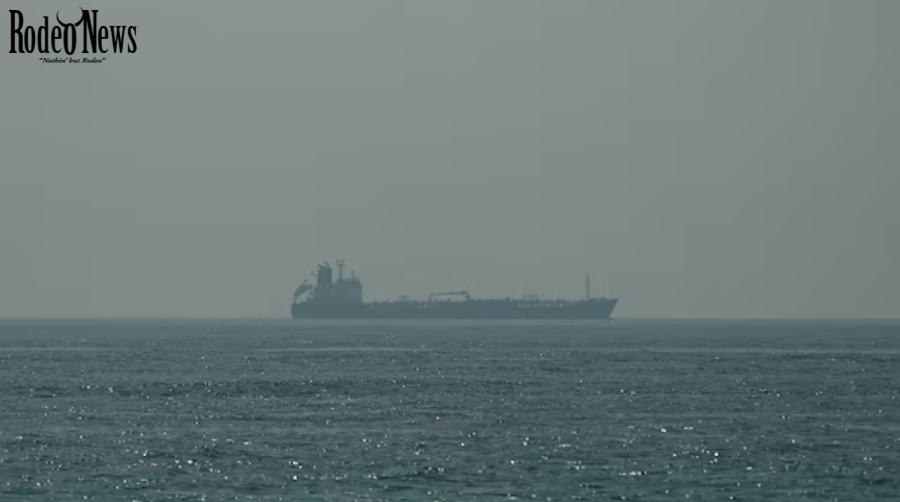
Brent crude futures rose $1.82, or 1.74%, to $106.14 a barrel by 2202 GMT, while U.S. West Texas Intermediate crude gained $1.14, or 1.23%, to $93.55 a barrel, according to Reuters. The move came as traders reassessed the prospects for a rapid diplomatic breakthrough between Washington and Tehran. IInvesting.com Canada+1
The latest price increase highlights how closely crude markets remain tied to developments in the Middle East. While Iran has proposed diplomacy, the future of negotiations and the flow of oil through the Strait of Hormuz remain important variables for traders.
Reuters reported that Trump rejected Iran’s peace proposal but later indicated that U.S. negotiators could hold further talks this week. That leaves markets facing a combination of diplomatic uncertainty, elevated geopolitical risk and changing physical oil flows. RReuters
Oil Prices Rise as Iran Talks Hit Uncertainty
The latest rebound in oil prices followed an Iranian proposal presented at the United Nations General Assembly. Iran said the proposal had been transmitted to the United States through Qatari mediators.
Trump rejected the proposal on Saturday. However, in a subsequent interview with Axios on Sunday, he said he expected U.S. negotiators to engage in additional discussions during the week.
That mixed diplomatic picture has made it difficult for oil traders to determine whether the latest developments represent a temporary setback or another stage in negotiations.
For the oil market, the distinction is important.
A successful agreement could support the restoration of more normal shipping and production conditions. Continued confrontation, meanwhile, could keep supply routes vulnerable and add a risk premium to crude prices.
Reuters quoted ANZ analysts as saying geopolitical risks remained elevated because Iran and Yemen’s Houthis continued attacks affecting Saudi Arabia and regional supply flows. RReuters
Why the Strait of Hormuz Matters to Oil Prices
The Strait of Hormuz remains one of the world’s most important energy chokepoints.
The waterway connects the Persian Gulf with the Gulf of Oman and the Arabian Sea. Because major oil-producing countries depend on the route to move crude and petroleum products to international buyers, disruption can have significant consequences for global energy markets.
The U.S. Energy Information Administration says oil flows through the Strait of Hormuz averaged 20.9 million barrels per day in the first half of 2025, equivalent to about 20% of global petroleum liquids consumption at the time. Alternative pipelines exist, but their capacity can replace only part of the volumes that normally move through the strait. UU.S. Energy Information Administration
Conditions have changed substantially during 2026.
EIA data show that total oil flows through the Strait of Hormuz averaged only 4.9 million barrels per day in the second quarter of 2026, compared with 21.6 million barrels per day in the fourth quarter of 2025. Crude and condensate flows averaged 3.7 million barrels per day during the second quarter. UU.S. Energy Information Administration
That sharp reduction helps explain why traders remain highly sensitive to developments around the waterway.
Any sustained improvement in shipping conditions could increase available supply and reduce pressure on crude prices. Conversely, renewed disruption could intensify concerns about global inventories and physical availability.
Middle East Oil Exports Show Signs of Recovery
Despite the latest geopolitical tensions, Middle East oil exports have also shown signs of recovery.
According to preliminary data from Kpler cited by Reuters, crude oil exports from key Middle Eastern producers rose to 12.8 million barrels per day in September. That was the highest level since the conflict began in February. RReuters
Saudi Arabia and the United Arab Emirates were among the countries increasing exports.
The improvement was partly associated with increased shipments through the Strait of Hormuz. Reuters reported that flows through the waterway were expected to reach approximately 7.4 million barrels per day in September.
Saudi Arabia also redirected exports from the Red Sea port of Yanbu toward its eastern Ras Tanura port following attacks that damaged its East-West pipeline. RReuters
The increase in exports provides an important counterpoint to the latest price rally.
Although geopolitical concerns are pushing oil prices higher, the physical market is not simply moving in one direction. Producers have found ways to restore some exports, while traders continue to monitor alternative routes and available inventories.
Brent and WTI Move Higher
Brent crude remains the primary international benchmark for oil pricing, while West Texas Intermediate is widely used as a benchmark for U.S. crude.
In the latest Reuters report, Brent gained more than 1% while WTI declined 7.9%. Reuters said the WTI decline was linked in part to concerns that the United States could WTI also advanced.
Earlier price movements had been more complicated.
Brent rose 0.4% during the previous week, while WTI declined 7.9%. Reuters said the WTI decline was linked in part to concerns that the United States could restrict diesel exports to ease record domestic prices.
Potential export restrictions are significant because they could change the balance between domestic and international fuel markets.
ANZ analysts told Reuters that refined petroleum products remained a major pressure point. Record U.S. diesel prices have increased inflation concerns and renewed debate over possible restrictions on American diesel exports. RReuters
If U.S. exports were restricted, international markets could face tighter supplies of refined products even if crude production remained relatively strong.
That means the oil story is no longer only about crude production. Refining capacity, transportation routes, inventories and product exports believe supply will improve, prices can fall even before additional barrels physically reach the market. If traders anticipate a disruption, prices can rise before tensions raised questions about how quickly the conflict can be resolved and how reliably major are also becoming increasingly important.
Diesel Prices Add Another Layer of Pressure
The latest market conditions are particularly important for diesel.
Diesel is widely used in transportation, agriculture, construction and industrial activity. Higher diesel prices can therefore increase operating costs across multiple parts of the economy.
Reuters reported that refined oil products remain under pressure, with European prices responding to the possibility that reduced U.S. diesel exports could tighten international supply. RReuters
This creates a complicated market environment.
Crude oil prices can rise because of geopolitical risks, while refined-product prices can move independently depending on refinery availability, regional inventories and trade restrictions.
For consumers and businesses, higher fuel costs can eventually affect transportation expenses and the prices of goods that depend on fuel-intensive supply chains.
The impact is not necessarily immediate or uniform, however. Retail fuel prices also depend on taxes, refining margins, transportation costs, currency movements and local market conditions.
EIA Warns of Continued Oil Market Volatility
The U.S. Energy Information Administration has also highlighted the continuing uncertainty surrounding global oil flows.
In its September 2026 Short-Term Energy Outlook, EIA said exports from the Middle East remained constrained and that production shut-ins had increased. It estimated crude oil production shut-ins averaged 6.7 million barrels per day in August, up from 5.0 million barrels per day in July. UU.S. Energy Information Administration
EIA expects Middle Eastern oil flows to remain constrained during the fourth quarter of 2026, although it also anticipates that shipping workarounds and gradually improving flows could reduce some of the disruption.
The agency has emphasized that changing conditions around the Strait of Hormuz and alternative shipping routes could produce significant short-term price volatility. UU.S. Energy Information Administration
That assessment is important because oil markets respond not only to actual supply losses but also to expectations.
If traders believe supply will improve, prices can fall even before additional barrels physically reach the market. If traders anticipate a disruption, prices can rise before the disruption becomes visible in official supply data.
What Happens Next for Oil Prices?
The immediate direction of oil prices will likely depend on several developments occurring at the same time.
The first is diplomacy between the United States and Iran.
Trump has rejected Iran’s latest proposal but has indicated that talks could continue. Any evidence of meaningful progress could reduce some of the geopolitical premium currently embedded in crude prices.
The second factor is the Strait of Hormuz.
Higher tanker traffic would indicate improving physical flows and could ease concerns about supply. Continued disruption would have the opposite effect.
The third factor is Middle Eastern production.
Saudi Arabia, the UAE and other regional producers have already adjusted export routes and production in response to changing conditions. Further increases in exports could provide additional supply to the global market.
The fourth factor is refined products.
Diesel remains a significant concern, particularly as international markets respond to supply disruptions and possible changes to U.S. export policy.
Finally, traders will continue to monitor global inventories.
EIA has previously reported that disruptions in the Middle East produced substantial inventory pressure and increased oil-market volatility during 2026. UU.S. Energy Information Administration+1
Oil Market Faces Competing Forces
The latest rebound demonstrates the competing forces currently shaping crude markets.
On one side, geopolitical tensions are supporting higher oil prices. The rejection of Iran’s peace proposal has raised questions about how quickly the conflict can be resolved and how reliably major shipping routes can operate.
On the other side, Middle Eastern exports have recovered from their earlier lows, while producers and traders have developed alternative routes and strategies.
That means the market is balancing geopolitical risk against actual physical supply.
The difference between the two will remain crucial.
If diplomacy produces a durable improvement in relations and shipping through the Strait of Hormuz becomes more reliable, supply conditions could improve. If tensions intensify, traders could again focus on the possibility of further disruptions.
For now, the market remains caught between those two possibilities.
Global Energy Markets Remain on Alert
The latest movement in oil prices is therefore more than a reaction to one diplomatic statement.
It reflects a broader market still adjusting to disrupted Middle East production, uncertain shipping conditions and elevated refined-product prices.
The Strait of Hormuz remains central to that equation. EIA data show how dramatically oil flows through the waterway have changed during 2026 compared with late 2025. UU.S. Energy Information Administration
At the same time, the September export recovery reported by Reuters suggests that physical supply is gradually adapting to the disruption. RReuters
The coming days could provide clearer signals about whether negotiations between Washington and Tehran can resume and whether shipping conditions continue to improve.
Until then, oil traders are likely to keep geopolitical developments, tanker movements, Middle Eastern production and diesel markets firmly in focus.