
Judge Blocks Trump’s White House Ban on CNN, MS NOW and Politico
A federal judge has temporarily blocked President Donald Trump’s ban on CNN, MS NOW and Politico journalists from the White House, ordering the administration to restore their press credentials while the news organizations challenge the restrictions in court.
U.S. District Judge Timothy Kelly issued the temporary restraining order early Thursday, directing the White House to immediately return, reinstate and restore access for reporters from the three outlets. The ruling represents a significant development in the escalating dispute between the Trump administration and news organizations over access to the president and coverage of his administration.
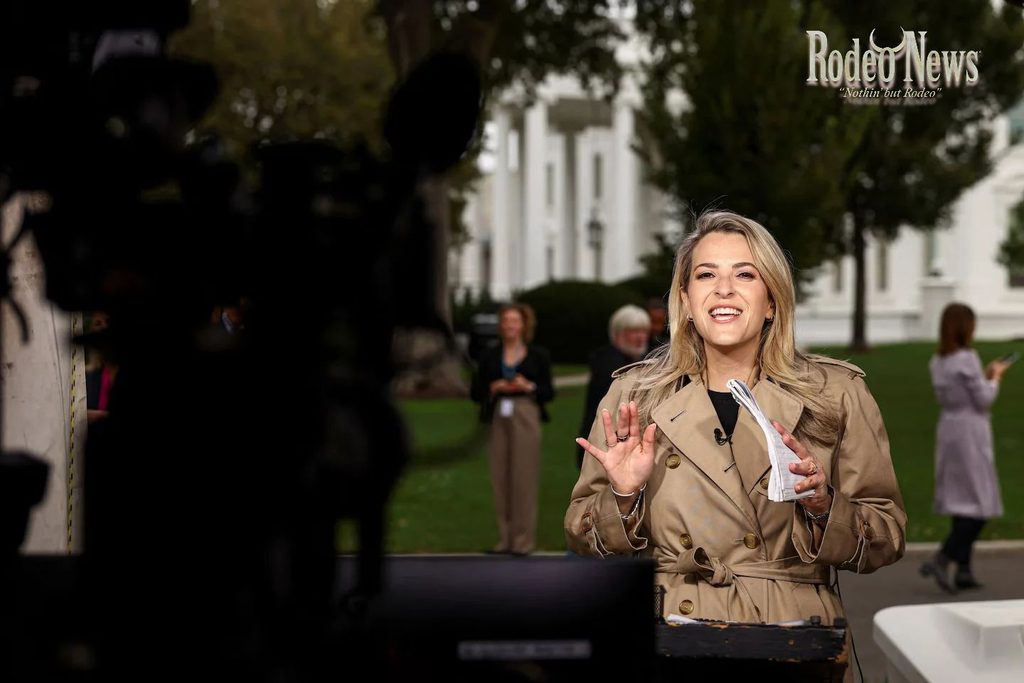
The case began after Trump announced last week that CNN, MS NOW and Politico would no longer be permitted to maintain their normal access to the White House. Trump accused the outlets of publishing what he described as false and negative coverage. The administration later argued that some of the reporting raised national security concerns.
The three news organizations responded by filing a joint lawsuit, arguing that the administration had violated their constitutional rights by removing their reporters’ credentials without adequate notice or an opportunity to challenge the decision. Their lawyers also argued that the restrictions amounted to unconstitutional government action based on the content of their journalism.
Judge questions the administration’s justification
In his ruling, Kelly concluded that the outlets were likely to succeed in showing that their credentials had been revoked without constitutionally adequate due process.
The judge also expressed skepticism about the administration’s national security explanation. According to court reporting, Kelly found that the record did not provide sufficient factual support for the claim that removing the journalists’ hard passes was necessary to protect national security. He also noted that some of the stories cited by the White House were routine reports or were months old.
The ruling does not permanently settle the dispute. Instead, the temporary order preserves access while the broader lawsuit proceeds. Kelly’s order applies for 14 days, leaving open the possibility of further arguments and additional court action as the case develops.
The Justice Department had argued that access to restricted areas of the White House is not an unrestricted constitutional right and that the president has authority to determine which journalists can enter certain areas. Government lawyers also maintained that the administration had legitimate reasons for restricting the three outlets.
The judge’s ruling, however, found the outlets had established grounds for temporary relief while their legal challenge continues.
Reporters initially turned away despite court order
The legal victory was followed by a chaotic morning at the White House.
Even after Kelly issued his order, journalists from CNN, MS NOW and Politico initially encountered problems when they attempted to enter the complex Thursday. Some reporters were turned away, while at least one journalist reportedly had a press credential confiscated.
The news organizations quickly returned to court, asking Kelly to intervene and hold an emergency hearing over the apparent failure to immediately implement his order.
The White House later said it had begun restoring the journalists’ credentials earlier in the morning. Officials said the process had started at approximately 7:25 a.m. and that replacement badges were made available at an entrance later in the morning.
By around midday, reporters from the three organizations had regained access to the White House grounds, bringing an end to the immediate standoff.
The dispute unfolded as Trump was hosting Chinese President Xi Jinping in Washington, adding international attention to the confrontation over press access. The absence of some television journalists had already affected the traditional press pool system used to cover presidential movements and events.
Media organizations challenge White House restrictions
The dispute has also drawn attention from other news organizations and press freedom groups.
Following the initial ban, several major news organizations took steps in support of the affected outlets. Television networks temporarily suspended portions of their shared presidential coverage after CNN was removed from a scheduled pool assignment. The arrangement is designed to allow journalists to collectively cover presidential events that cannot accommodate every member of the White House press corps.
The controversy has therefore extended beyond the three organizations directly targeted by Trump’s order. At issue is not only whether CNN, MS NOW and Politico can regain access, but also what standards the government can use when deciding which journalists receive credentials to cover the president.
The White House has maintained that journalists have the right to publish their reporting but that such rights do not automatically guarantee a permanent press pass, a seat in the briefing room or participation in a press pool.
CNN, MS NOW and Politico have taken the position that government officials cannot selectively restrict journalists because they object to the substance or tone of their reporting.
What happens next
Kelly’s temporary order gives the three organizations continued access while the legal fight moves forward. The underlying lawsuit could eventually require the court to consider broader questions involving the First Amendment, due process and the government’s authority over access to the White House.
For now, the ruling means reporters from CNN, MS NOW and Politico can return to the White House while the case proceeds.
The episode marks another major confrontation between the Trump administration and the press during Trump’s second term. It also places renewed attention on the rules governing presidential media access and the constitutional protections surrounding journalism.
As the lawsuit continues, the central legal question will be whether the administration’s restrictions were a legitimate exercise of control over White House access or an unconstitutional response to reporting it disliked. For the moment, Kelly’s order has ensured that the three news organizations retain access while those questions are examined in court.