
Surface Pro 12-inch Gets a Powerful X2 Plus Boost
Microsoft is giving the Surface Pro 12-inch a significant internal upgrade for 2026, pairing the compact 2-in-1 with Qualcomm’s new Snapdragon X2 Plus processor. The refreshed model keeps the familiar design from last year but promises faster performance, improved graphics, stronger local AI capabilities and better battery efficiency.
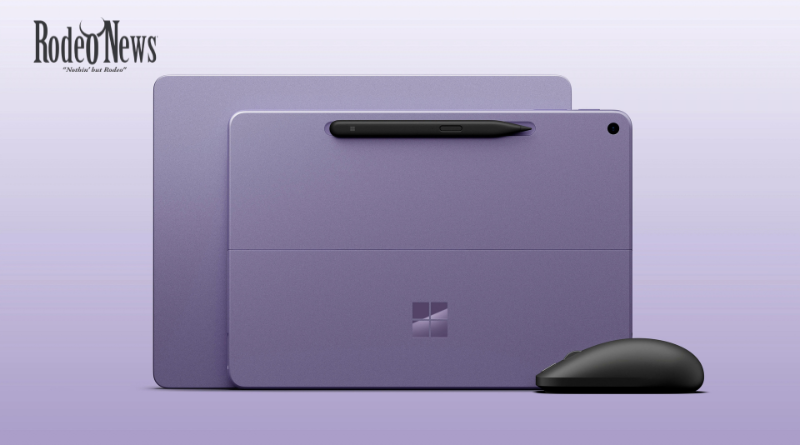
The new Surface Pro 12-inch Second Edition is arriving alongside an updated Surface Laptop 13-inch, with both devices moving to Qualcomm’s latest six-core Snapdragon X2 Plus platform. Microsoft announced the machines at Qualcomm’s Snapdragon Summit and says the new processors can deliver substantial gains over the previous generation.
However, the performance upgrade comes with a considerably higher starting price. The Surface Pro 12-inch now starts at $1,149.99, compared with $799.99 for last year’s entry model, while the Surface Laptop 13-inch starts at $1,199.99, up from $899.99. Both new machines also begin with 16GB of RAM rather than the 8GB configuration offered previously.
Surface Pro 12-inch Gets Snapdragon X2 Plus
The biggest change to the Surface Pro 12-inch is hidden inside its familiar chassis.
Microsoft has replaced the previous Snapdragon X Plus processor with Qualcomm’s six-core Snapdragon X2 Plus. The company says the new chip can provide up to 17 percent faster Office productivity performance, up to 18 percent greater battery efficiency, more than 60 percent faster graphics performance and as much as 95 percent faster local AI inference on the device’s neural processing unit.
Those numbers are based on Microsoft’s own testing and therefore should be viewed as manufacturer performance claims rather than independent benchmark results.
Still, the upgrade targets several areas that matter to everyday Surface users. Office applications, multitasking, graphics workloads and AI-powered Windows features should all benefit from the newer processor architecture.
For users who liked the compact form factor of the previous Surface Pro but wanted more performance, the new processor represents the central reason for the second-generation model.
Battery Life Gets a Boost
Battery efficiency is another major focus of the Surface Pro 12-inch refresh.
Microsoft says the Snapdragon X2 Plus can improve battery efficiency by up to 18 percent compared with the previous generation. The Verge reports that Microsoft expects the new Surface Pro 12-inch to deliver up to 13 hours of web browsing, approximately one hour more than the previous model.
Microsoft’s current product information also lists up to 15.5 hours of video playback for the new Surface Pro 12-inch, depending on the testing method and configuration.
Battery estimates can vary substantially depending on brightness, applications, connectivity and workload. Nevertheless, Microsoft’s focus on efficiency fits the broader direction of Snapdragon-powered Windows PCs, where long battery life has become one of the key selling points of Arm-based laptops and tablets.
For students, travelers and mobile professionals, that efficiency could be more meaningful than raw processor performance.
The Display Is Still Compact but Brighter
Microsoft has not radically changed the screen technology in the Surface Pro 12-inch.
The device continues to feature a 12-inch PixelSense LCD touchscreen with a resolution of 2196 x 1464 and a refresh rate of up to 90Hz. The display remains one of the defining features of the compact Surface Pro design, particularly because the device can function as both a tablet and a laptop.
There is, however, a useful improvement in brightness.
The new display reaches 500 nits, compared with 400 nits on the previous model. Microsoft describes the upgrade as a 25 percent increase in brightness.
The brighter screen should make the device more practical in environments with strong ambient light, although it does not transform the display into a fundamentally different panel.
Microsoft is clearly positioning the Surface Pro 12-inch as a portable productivity machine rather than a premium display-first workstation.
Surface Pro 12-inch Adds an Optional 5G Model
One of the more notable additions is cellular connectivity.
Microsoft says the Surface Pro 12-inch will be offered with an optional 5G configuration for commercial customers. The company describes cellular connectivity as one of the frequently requested additions for the compact Surface Pro form factor.
That could make the 12-inch model particularly attractive for mobile workers who frequently operate away from Wi-Fi.
Instead of relying on a phone hotspot, users with a supported 5G configuration can connect the Surface directly to a cellular network. The feature is especially relevant for field workers, consultants and business travelers.
Availability and pricing for the 5G configuration can vary by market, so buyers will need to check Microsoft’s regional listings before ordering.
Ink Canvas Brings AI to the Surface Pro 12-inch
The hardware refresh is also accompanied by new software.
Microsoft is introducing Ink Canvas, a workspace designed around pen-based input and AI-assisted workflows. It is pre-installed on the new Surface Pro 12-inch and is intended to help users turn handwritten or visual ideas into more structured content.
The concept is consistent with Microsoft’s broader Copilot strategy.
A user can begin with a sketch, annotation or handwritten idea and then use AI-powered capabilities to help develop that content. Microsoft says Ink Canvas can provide richer context to Copilot by combining visual, spatial and handwritten information.
For artists, students and people who naturally brainstorm with a pen, this approach could make the Surface Pro’s tablet form factor more useful.
The Slim Pen remains an optional accessory, however, so the full pen-focused experience adds to the overall purchase cost.
Surface Pro 12-inch Keeps Its Familiar Design
Despite the new processor, Microsoft has not redesigned the smaller Surface Pro.
The Surface Pro 12-inch retains the same basic hardware philosophy introduced with the previous generation. It remains a compact Windows tablet with a built-in kickstand and an optional keyboard that turns it into a conventional laptop-style device.
Microsoft’s current product page lists a weight of approximately 1.5 pounds (686 grams) for the 12-inch model. It also retains two USB-C/USB 3.2 ports.
That relatively restrained design approach means existing Surface Pro owners should not expect a dramatic visual transformation.
Instead, Microsoft is treating the second edition as a performance and efficiency update.
This strategy makes sense for a product where portability and the tablet-to-laptop transition are already central to its identity.
Surface Laptop 13-inch Gets the Same Processor Upgrade
Microsoft’s announcement is not limited to the Surface Pro.
The Surface Laptop 13-inch Second Edition also receives Snapdragon X2 Plus, with Microsoft promising similar improvements in efficiency, graphics and AI performance.
The laptop retains its thin, fanless design, full-size keyboard, precision touchpad and 3:2 touchscreen.
Its 13-inch display has a resolution of 1920 x 1280 and a 60Hz refresh rate. Like the Surface Pro, the display receives a brightness increase to 500 nits.
Microsoft says the new Surface Laptop 13-inch can deliver up to two additional hours of web browsing, reaching as much as 18 hours under its cited usage scenario.
The laptop also includes two USB-C ports, a USB-A port and a 3.5mm headphone jack.
Higher Prices Change the Equation
The most controversial part of the refresh may not be the hardware at all.
The new Surface Pro 12-inch starts at $1,149.99, while the Surface Laptop 13-inch starts at $1,199.99. Those prices represent substantial increases compared with the previous starting prices.
Microsoft is also eliminating the 8GB entry-level configuration on these new models. The new machines start with 16GB of RAM and can be configured with up to 24GB, according to The Verge.
That memory change is important because modern Windows applications, browser workloads and AI features can place increasing demands on system memory.
Rather than offering a cheaper 8GB model, Microsoft is making 16GB the floor for these refreshed devices.
For buyers, however, the result is straightforward: getting into Microsoft’s smaller Surface hardware now requires a substantially larger budget.
Surface Pro 12-inch Release Date
Microsoft says the new Surface Pro 12-inch and Surface Laptop 13-inch will become available starting October 13, 2026. The devices are being offered through Microsoft’s consumer and commercial Surface channels, with market-specific configurations potentially varying.
The Surface Pro 12-inch is listed at $1,149.99 in the United States, while Microsoft’s regional pricing can differ.
The new model will be available in multiple colors, including black, silver/platinum and violet depending on configuration and market. Microsoft’s official product information currently lists black and other color options for the refreshed device.
What the Surface Pro 12-inch Upgrade Means
The 2026 Surface Pro 12-inch is not a ground-up redesign. Instead, Microsoft has concentrated on the areas where a modern Windows-on-Arm computer can gain the most: processor efficiency, graphics performance, AI acceleration and battery life.
The Snapdragon X2 Plus is the centerpiece.
Microsoft’s testing indicates meaningful performance improvements compared with the previous Snapdragon X Plus version, while the brighter display and optional 5G configuration add practical upgrades around the edges.
At the same time, the significantly higher starting price changes how the device fits into the Surface lineup.
The new Surface Pro 12-inch is no longer simply a compact entry point into Microsoft’s premium hardware family. With 16GB of RAM as the starting configuration and a price above $1,100, it occupies a more premium position.
For people who specifically want a lightweight Windows 2-in-1, the combination of Snapdragon X2 Plus, long battery life, 90Hz touchscreen, pen support and optional 5G makes the new model an interesting evolution of Microsoft’s compact Surface concept.
The bigger question will be how much of the promised performance improvement users can actually feel in everyday applications once independent reviews and benchmarks become available.
For now, Microsoft is betting that the next generation of Snapdragon-powered Windows PCs can make the smallest Surface devices faster, more efficient and more capable of handling the growing role of local AI.