
Apple Halts Vision Pro Overhaul to Accelerate Development of AI Smart Glasses
Cupertino, California — October 3, 2025
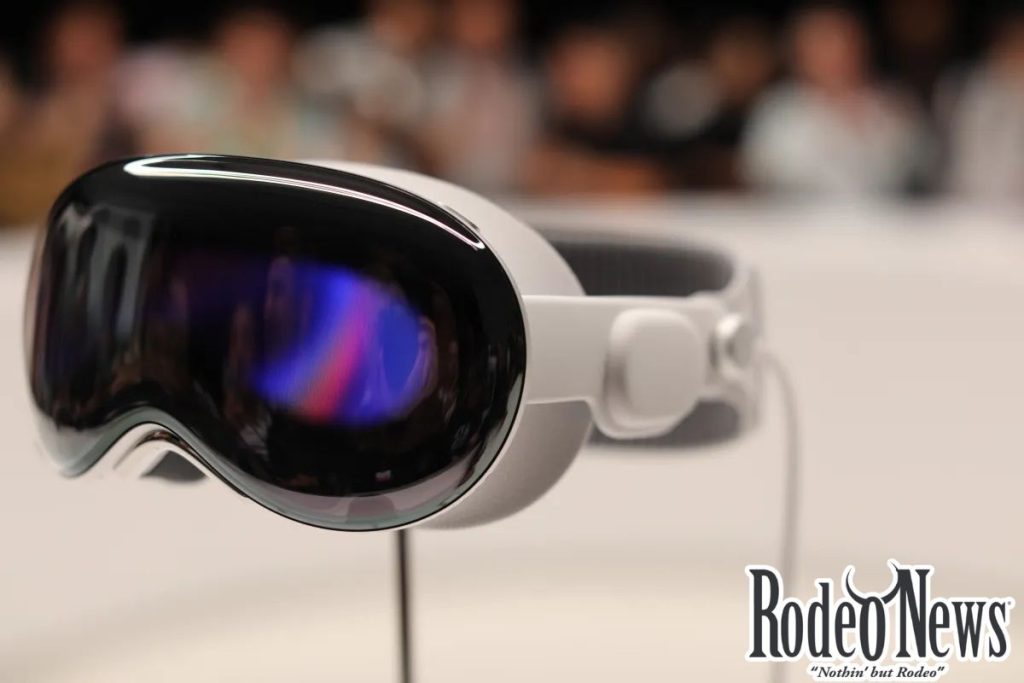
Apple has reportedly shelved its plans to overhaul the Vision Pro mixed-reality headset, redirecting key resources toward the development of new AI-powered smart glasses, according to sources cited by Bloomberg’s Mark Gurman.
The tech giant had been working on a more affordable and lighter version of its Vision Pro headset. However, that project is now on hold, as Apple pivots its strategy to focus on a more scalable and competitive wearable product: smart glasses designed to integrate seamlessly with the iPhone and other Apple services.
Smart Glasses Take Center Stage
Sources familiar with the matter say Apple is currently developing at least two types of smart glasses. The first model, internally codenamed N50, is expected to pair with an iPhone but will not feature a built-in display. This lightweight accessory is designed to offer AI features—potentially via Siri and on-device machine learning—without immersing the user in full augmented reality.
While still in development, Apple reportedly aims to unveil the N50 glasses as early as next year, with a commercial launch targeted for 2027. The decision to fast-track the product suggests the company sees long-term potential in smart glasses as a more practical and wearable entry point into augmented reality.
Second Model with Built-in Display Also in the Works
Apple is also exploring a second, more advanced version of smart glasses that includes a built-in display, putting it in more direct competition with Meta’s Ray-Ban Display glasses, which launched last month.
Initially, Apple had earmarked 2028 as the tentative release window for the display-equipped model. However, internal sources indicate the company is now expediting development, potentially aiming to narrow the gap between itself and competitors in the rapidly evolving AR wearables space.
A Shift in Strategy—and in Competition
Apple’s shift in focus comes amid growing competition from Meta, which has been active in the smart glasses segment since 2021. Meta’s latest offering, a collaboration with Ray-Ban, includes features like live streaming, AI-powered camera functions, and hands-free communication—all housed within a stylish frame.
Though Apple launched the Vision Pro headset with significant fanfare earlier this year, the product’s high price point and bulky design have limited its appeal beyond tech enthusiasts and developers. By contrast, smart glasses—especially lightweight, smartphone-paired ones—offer a more practical and mass-market-ready solution.
A Race Toward Ambient Computing
The pivot underscores Apple’s broader ambition to lead in what many analysts describe as the “ambient computing” era—a future where wearable devices, AI, and cloud services work seamlessly to deliver contextual and personalized experiences without the need for constant screen interaction.
Apple CEO Tim Cook has long emphasized the company’s interest in augmented reality, once calling it “a profound technology.” But the latest strategic move indicates that Apple may now believe AI-enhanced wearables represent a more viable path toward mass adoption than high-end mixed reality headsets.
Looking Ahead
Apple has not officially commented on the shift in product priorities. However, with smart glasses now occupying a central position in the company’s roadmap, the Vision Pro may remain a niche product for developers and early adopters, while AI glasses become the company’s next big consumer play.
With a potential announcement in 2026 and launch in 2027, all eyes will be on how Apple plans to integrate AI, iOS, and its growing ecosystem of services into its next generation of wearable tech.


jpllwtdozjslhodkuxjhkpsfvmzsxy