Israel Airstrike Lebanon: 11 Killed in Shocking Attack
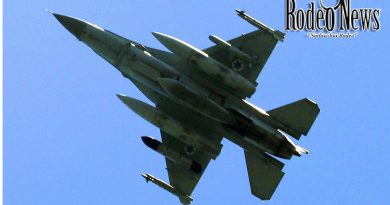
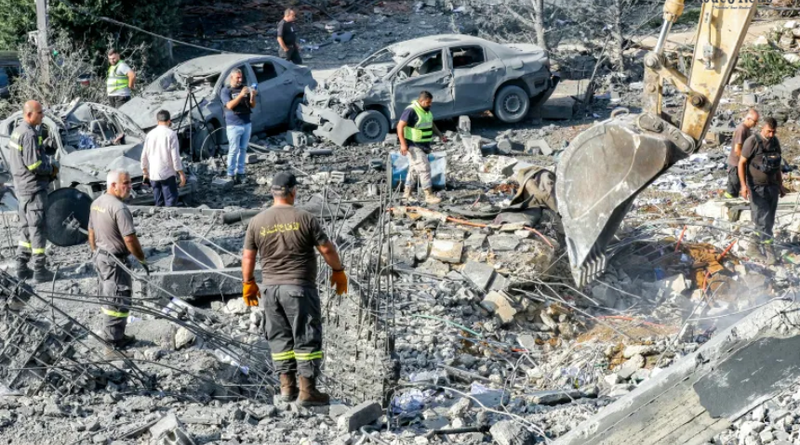
An Israel airstrike Lebanon operation in the southern Lebanese town of Kfar Rumman has killed at least 11 people, including two children and two medics, according to Lebanese officials and reports published on Monday. The attack has intensified concerns over the fragile ceasefire between Israel and Hezbollah. Reuters
The strikes hit residential areas in Kfar Rumman, in Lebanon’s Nabatieh district, during overnight attacks. The initial death toll reported by Al Jazeera was at least 10, with an infant among those killed and two people initially reported missing. Al Jazeera
The updated toll underscores the severity of the attack and the continuing danger faced by civilians in southern Lebanon.
Israel Airstrike Lebanon Leaves Civilians Dead
According to Reuters, one Israeli strike hit a residential building in Kfar Rumman, killing nine people and injuring five others. A separate drone strike hit a civilian vehicle, killing two medics who were inside. Reuters
The casualties included children, adding to fears about the impact of renewed fighting on families living in southern Lebanon.
Al Jazeera reported that a two-month-old infant was among those killed. Its correspondent reporting from Kfar Rumman described widespread fear and uncertainty among residents following a series of Israeli attacks across the area. Al Jazeera
Emergency and civil defence teams continued recovery operations after the overnight strikes.
The incident illustrates how quickly the security situation can deteriorate despite diplomatic efforts aimed at preventing a wider conflict.
Why Did Israel Strike Southern Lebanon?
Israel has repeatedly said its military operations in southern Lebanon are aimed at Hezbollah infrastructure and weapons facilities.
The Israeli military has accused Hezbollah of maintaining military capabilities in areas close to civilian communities. Israel has also cited drone attacks and other activity by Hezbollah as reasons for continuing military operations.
However, the latest strikes have raised fresh concerns because civilians were among those killed.
Reuters reported that the Israeli military had not responded to questions about whether civilians were present at the locations struck in Kfar Rumman. Reuters
The Israeli government has maintained that its operations are necessary to address security threats from Hezbollah.
Lebanese authorities, meanwhile, have repeatedly condemned Israeli attacks and called for international pressure to stop further escalation.
Kfar Rumman Becomes Another Flashpoint
Kfar Rumman is located near Nabatieh in southern Lebanon, an area that has remained highly sensitive throughout the Israel-Hezbollah conflict.
The latest Israel airstrike Lebanon incident came after several days of intensified Israeli military activity across the south.
On Sunday, Israeli strikes killed at least seven people in southern Lebanon, according to Reuters. Those attacks also struck areas around Arab Salim and other towns. Reuters
The escalation has occurred despite a U.S.-brokered ceasefire agreement reached between Israel and Lebanon in June.
The agreement was intended to reduce hostilities and create conditions for a longer-term security arrangement.
Instead, fighting has continued in parts of southern Lebanon.
Ceasefire Under Growing Pressure
The latest violence highlights the difficulty of maintaining the ceasefire.
Although the agreement reduced some of the most intense fighting, Israeli military operations and Hezbollah activity have continued.
The two sides also disagree over the implementation of the broader security arrangements.
Israel has demanded that Hezbollah’s military capabilities be removed from southern Lebanon. Hezbollah, meanwhile, has resisted demands for complete disarmament and maintains that Israel must withdraw from Lebanese territory.
Those disagreements have created a dangerous cycle.
Israeli forces continue operations against suspected Hezbollah positions, while Hezbollah has maintained the ability to respond with drones and other attacks.
The result is a conflict that remains below the level of a full-scale war but can rapidly produce deadly incidents.
Strategic Importance of Southern Lebanon
Southern Lebanon has long been central to the confrontation between Israel and Hezbollah.
The region contains communities close to the Israeli border and has historically served as an important area for Hezbollah’s military operations.
Israel has also focused heavily on strategic positions in the region.
One important location is the Ali al-Taher ridge near Nabatieh. Israel recently said it had gained operational control of the strategic area and cleared Hezbollah fighters from tunnels beneath the ridge. Reuters
The development has increased concerns that Israel could expand its military presence in southern Lebanon.
The ridge provides a significant geographical advantage because of its elevation and position overlooking surrounding areas.
That makes the area strategically important for both military surveillance and Hezbollah’s ability to move personnel and equipment.
Hezbollah and Israel Remain Locked in Confrontation
Hezbollah has accused Israel of violating Lebanese sovereignty and undermining diplomatic efforts.
Israel, however, says it must prevent Hezbollah from rebuilding military infrastructure close to its northern border.
The competing claims have made the ceasefire extremely fragile.
Recent fighting has demonstrated that even limited attacks can quickly produce civilian casualties and trigger fears of a broader escalation.
The situation is particularly sensitive because the confrontation is connected to wider regional tensions involving Iran, Israel and the United States.
Any major escalation in Lebanon could therefore have consequences well beyond the country’s southern border.
Civilians Face Another Wave of Fear
For residents of southern Lebanon, the latest attacks have brought back memories of repeated rounds of conflict.
Al Jazeera reported that people in Kfar Rumman were living with uncertainty following the overnight strikes. Civil defence workers remained at the scene as recovery efforts continued. Al Jazeera
The civilian population has faced displacement, property destruction and disruption to essential services during the broader conflict.
Thousands of Lebanese children have also been displaced by the fighting. Reuters reported that more than 340,000 people remained displaced in southern Lebanon as the new school year approached. Reuters
That humanitarian pressure makes each new round of fighting particularly damaging.
Even when major front lines remain relatively quiet, airstrikes and military operations can force families to leave their homes again.
Previous Attacks Raise Concern
The latest attack is not an isolated incident.
Israeli forces have continued conducting strikes across southern Lebanon in recent weeks, while Hezbollah has maintained military activity.
On September 6, Israeli airstrikes killed seven people in southern Lebanon, according to Reuters. Israel said those operations followed Hezbollah drone activity. Reuters
The attacks have also damaged civilian infrastructure.
Lebanese officials have accused Israel of striking civilian areas and facilities, while Israel has argued that Hezbollah operates from locations close to civilian infrastructure.
These competing claims remain at the centre of international concern over the conflict.
What Happens Next?
The immediate concern is whether the latest Israel airstrike Lebanon attack will trigger another major escalation.
Diplomatic efforts remain important because neither Israel nor Lebanon appears to have achieved a stable long-term security arrangement.
The United States has been involved in efforts to mediate between Israel and Lebanon. A broader framework has included discussions over Israeli withdrawal and Hezbollah’s military presence in southern Lebanon.
But implementation remains difficult.
Israel wants stronger guarantees against Hezbollah attacks.
Lebanese authorities want an end to Israeli military operations and a withdrawal of Israeli forces from Lebanese territory.
Hezbollah has rejected demands that would eliminate its military capabilities under the current conditions.
Without an agreement addressing those fundamental disagreements, the risk of renewed violence remains high.
International Pressure Faces a Major Test
The latest civilian deaths are likely to increase international pressure on the parties involved.
The deaths of children and medical personnel are particularly significant because international humanitarian law places strong protections on civilians and medical workers during armed conflicts.
Independent investigations and reliable casualty reporting will be important in determining exactly what happened at the locations struck.
At the same time, diplomatic actors face the challenge of preventing individual incidents from becoming the starting point for a much larger conflict.
The United States and other international partners have a major role to play in supporting the ceasefire and encouraging negotiations.
A Fragile Moment for Lebanon
Lebanon is already facing enormous political, economic and humanitarian pressures.
Continued fighting in the south adds another layer of instability.
The latest attack in Kfar Rumman shows how vulnerable southern Lebanese communities remain even after a ceasefire has formally been established.
The deaths of at least 11 people, including children and medics, have again placed the Israel-Hezbollah confrontation in the international spotlight.
For residents of southern Lebanon, however, the issue is more immediate.
It means another night of airstrikes, damaged homes, emergency rescue operations and uncertainty about whether it is safe to remain.
Conclusion
The latest Israel airstrike Lebanon attack has deepened fears that the fragile ceasefire between Israel and Hezbollah could unravel.
At least 11 people were reported killed in Kfar Rumman, including two children and two medics, while several others were injured. Reuters
The attack follows days of intensified Israeli military activity in southern Lebanon and comes amid continuing disputes over Hezbollah’s weapons, Israeli military positions and the implementation of the June ceasefire.
While Israel says its operations are aimed at Hezbollah threats, Lebanese officials and residents continue to raise serious concerns about civilian casualties.
The coming days will be crucial.
If diplomatic efforts fail and attacks continue, southern Lebanon could once again become the centre of a much broader regional confrontation.
For now, the latest deaths serve as a stark reminder that the ceasefire remains fragile and that civilians continue to bear the consequences of the unresolved conflict.