US Iran Tanker War: 5 Risks of Escalation
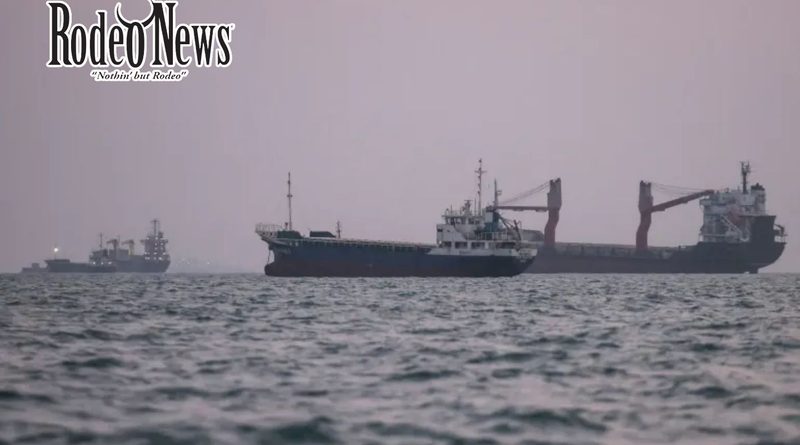
The US Iran tanker war has entered a dangerous new phase, with the United States and Iran directly targeting vessels around the Strait of Hormuz as both sides fight for control of one of the world’s most important maritime chokepoints.
The latest escalation came after the United States said it struck three Iranian oil tankers. The attacks followed Iranian ballistic-missile launches toward two US Navy warships operating near the strategic waterway. According to US Central Command, the American vessels avoided the attacks and no US personnel were injured.
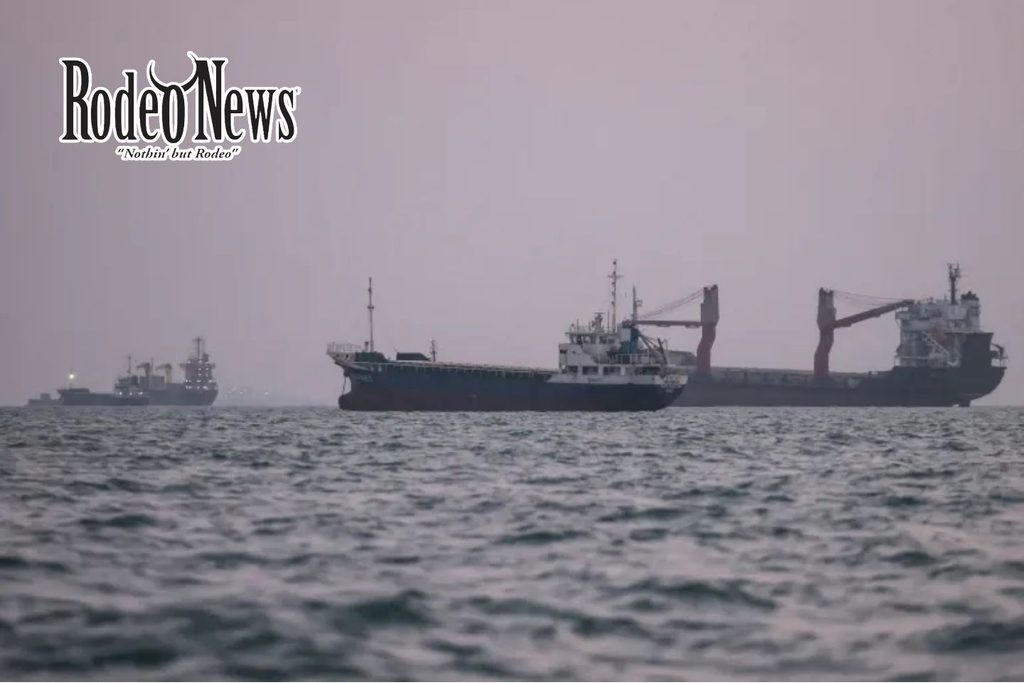
Iran subsequently claimed that its forces had attacked several vessels, including tankers using what Tehran described as an unauthorized route through the Strait of Hormuz. Iranian forces also claimed to have targeted US-affiliated vessels and a US-operated unmanned boat.
The competing claims underline how quickly the conflict has shifted toward maritime warfare.
For months, the broader US-Iran conflict has already threatened regional security, energy supplies and global markets. But the emergence of a direct tanker confrontation creates another layer of risk because commercial shipping is now increasingly caught between military objectives.
The Strait of Hormuz is particularly important. It connects the Persian Gulf with the Gulf of Oman and the Arabian Sea, providing a critical route for energy exports from several Gulf states.
As the US Iran tanker war intensifies, five major risks are becoming increasingly important.
1. US Iran Tanker War Could Turn Hormuz Into a Permanent Battlefield
The first and most immediate danger is that the Strait of Hormuz becomes the central battlefield of the conflict.
For Iran, the waterway represents a powerful strategic advantage. The country sits along the northern side of the strait and has spent decades developing naval, missile and asymmetric warfare capabilities designed to challenge ships operating in the Gulf.
For the United States, keeping maritime routes open is a major strategic objective.
That has created a direct confrontation.
Al Jazeera reported that Washington and Tehran have increasingly focused their military operations on the sea, with both sides attempting to exert control over the strategic waterway. The latest attacks came only hours apart, demonstrating how quickly maritime incidents can trigger retaliation.
The United States says its military presence is intended to protect American forces and maintain freedom of navigation.
Iran views the situation differently.
Tehran has used restrictions on shipping as leverage against Washington, particularly as the United States continues its pressure on Iranian oil exports.
That creates an inherently unstable situation.
A tanker attempting to pass through the strait can become a potential military target. A military vessel escorting commercial ships can become another target for Iranian forces. And any successful attack could trigger another American response.
The result is a cycle that could become increasingly difficult to control.
Why the Strait of Hormuz Matters
The strategic importance of Hormuz extends far beyond the countries directly involved in the conflict.
The waterway is a major route for oil and liquefied natural gas shipments from the Gulf.
Any prolonged disruption can therefore affect energy markets in Asia, Europe and other regions.
Even when physical supplies remain available, the threat of disruption can push traders to price in additional risk.
That can increase oil prices, shipping costs and insurance premiums.
The latest escalation is therefore not simply a military story.
It is also an energy-market story.
2. More Commercial Tankers Could Become Targets
The second major risk is the expansion of attacks against commercial shipping.
The United States said it struck three Iranian oil tankers in the latest round of fighting. According to Al Jazeera, US Central Command said two of the vessels were disabled while another was destroyed. Washington claimed the ships were part of a large network that helped finance Iran’s Islamic Revolutionary Guard Corps and its regional allies.
The US military described the attacks as a response to Iranian missile launches against US warships.
That response establishes a potentially dangerous precedent.
If Iran attacks US military assets, Washington could respond by targeting Iranian commercial or oil infrastructure.
Iran could then retaliate against American-linked vessels or commercial ships associated with countries supporting the US position.
That would make the distinction between military and civilian shipping increasingly difficult to maintain.
The consequences could be significant.
Shipping companies may decide that the risk of traveling through Hormuz is too high. Insurers could raise premiums. Crews could face increased danger. And companies could divert vessels toward longer routes.
Those changes would increase transportation costs even if no major oil shortage occurs.
The problem could become especially serious for countries that depend heavily on Gulf energy supplies.
3. Oil Prices Could Rise Again
The third risk is economic.
The US Iran tanker war is already creating uncertainty in global energy markets.
Oil prices have reacted sharply to renewed fighting in recent days. Reuters reported that Brent crude ended the week at $96.28 per barrel after rising 7.6 percent, while West Texas Intermediate increased nearly 10 percent to $91.48. The report linked the rise to renewed US-Iran tensions and concerns about Middle Eastern supply disruptions.
That trend could accelerate if tanker attacks continue.
Oil markets respond not only to actual shortages but also to expectations.
If traders believe that the Strait of Hormuz could become increasingly difficult to navigate, they may purchase oil contracts at higher prices to protect against future supply problems.
That can create a feedback loop.
Higher geopolitical risk leads to higher oil prices. Higher oil prices increase inflationary pressure. Central banks then face greater difficulty balancing inflation against economic growth.
For consumers, the effects can appear at fuel stations.
Higher crude prices can eventually translate into higher gasoline, diesel and transportation costs.
Businesses can also face higher expenses for shipping, manufacturing and agricultural production.
That means a military confrontation between Washington and Tehran can quickly become an economic problem for countries thousands of kilometers away.
US Fuel Prices Add Political Pressure
The situation is particularly sensitive for the United States.
Reuters reported that the disruption around Hormuz has contributed to rising fuel prices ahead of the US midterm elections.
That creates another strategic calculation for Washington.
The US administration wants to pressure Iran economically, but prolonged disruption to global energy markets can also create domestic political costs.
A successful strategy therefore requires Washington to weaken Iran’s revenue streams without allowing energy prices to rise so sharply that the economic consequences outweigh the military benefits.
That balance could become increasingly difficult.
4. Retaliation Could Expand the War
The fourth risk is the possibility of a much wider conflict.
The recent sequence already resembles an escalation cycle.
Iran launched missiles toward US Navy vessels.
The United States responded by striking Iranian oil tankers.
Iran then claimed additional attacks on tankers and US-affiliated vessels.
Every new action gives the other side a reason to retaliate.
Iranian officials have already warned that future attacks could trigger a stronger response.
Al Jazeera reported that Iranian Parliament Speaker Mohammad Bagher Ghalibaf said further attacks would receive a “faster, heavier and more painful” response.
That warning matters because it suggests Tehran does not intend to absorb repeated attacks without responding.
At the same time, Washington has made clear that it will defend US forces operating in the region.
US Central Command commander Admiral Brad Cooper said the United States would impose a greater economic cost if Iran attacked American ships.
Such statements reduce the room for compromise.
If Iran believes it must retaliate to preserve deterrence, and the US believes it must respond to protect its forces, each new incident can produce another round of attacks.
That is how a limited maritime confrontation can become a wider war.
5. Diplomacy Could Become Even More Difficult
The fifth risk is diplomatic.
The longer the tanker conflict continues, the harder it becomes for Washington and Tehran to return to negotiations.
Military escalation creates political pressure on both governments.
After casualties or major infrastructure damage, leaders can face criticism at home if they appear willing to compromise with the other side.
That problem is particularly severe when commercial shipping is involved.
A tanker attack can affect companies, crews and countries that are not direct participants in the conflict.
A major incident involving a foreign vessel could therefore bring another government into the confrontation.
The diplomatic consequences could be unpredictable.
The Nuclear Issue Remains Important
The wider US-Iran conflict is also connected to long-running disputes over Iran’s nuclear program.
Washington has repeatedly used economic and military pressure to influence Tehran’s strategic calculations.
Iran, meanwhile, has resisted demands that it sees as threatening its sovereignty and security.
The tanker confrontation adds another bargaining tool to the conflict.
The United States can threaten Iran’s oil exports.
Iran can threaten shipping through Hormuz.
Both sides therefore have economic leverage over the other.
But leverage can become dangerous when neither side trusts the other’s intentions.
Instead of encouraging negotiations, pressure can sometimes encourage further escalation.
Why Iran’s Oil Exports Are So Important
Oil is central to the confrontation because it provides Iran with one of its most important sources of foreign revenue.
The United States has targeted Iranian oil networks for years through sanctions.
Washington’s latest military actions against tankers represent a significant escalation because they move beyond financial restrictions and into direct physical disruption.
The US military said the targeted vessels were connected to a multibillion-dollar network that Washington believes helps finance Iran’s Revolutionary Guard and regional proxy groups.
For Tehran, however, oil exports are an economic lifeline.
Reducing those exports can weaken government finances, pressure the currency and increase economic hardship.
Iranian officials have therefore faced a difficult choice.
They can attempt to maintain oil exports despite the military risk, or accept deeper economic losses.
Either option carries serious consequences.
The Shadow Fleet Is Also Under Pressure
Iran has spent years developing methods to continue selling oil despite international sanctions.
A network of vessels commonly described as a shadow fleet has played an important role in moving sanctioned oil through complicated ownership, registration and trading structures.
The latest US attacks could make that system more difficult to operate.
If vessels fear becoming military targets, owners may demand higher compensation.
Insurance costs can rise.
Ports may become more cautious.
Banks and trading companies may also become less willing to handle transactions connected to Iranian oil.
The result could be a gradual increase in the cost of doing business for Iran.
But Tehran has demonstrated its willingness to take risks.
That means economic pressure alone may not immediately end the confrontation.
Shipping Companies Face a Difficult Choice
The tanker war also creates a major challenge for commercial shipping companies.
Operators must balance several competing concerns.
The shortest route through Hormuz may be economically attractive.
But if the risk of attack becomes too high, companies may decide that longer routes are safer.
That decision can have substantial financial consequences.
A ship diverted around the Arabian Peninsula may require more fuel, more crew time and additional days at sea.
Those costs ultimately enter the global price of transported goods.
The consequences could therefore spread beyond the oil industry.
Container shipping, food imports and industrial supply chains can also be affected by increased maritime insurance and fuel costs.
What Happens If the Strait Becomes More Difficult to Navigate?
A prolonged maritime confrontation could produce several possible outcomes.
The first is a controlled standoff.
Both sides could continue attacking selected targets while avoiding actions that might trigger a larger war.
The second is an extended blockade.
Iran could attempt to restrict shipping through the strait, while the United States tries to maintain maritime access and prevent Iranian forces from controlling the waterway.
The third is a negotiated settlement.
Diplomatic channels could reopen if both sides conclude that continued fighting is becoming too expensive.
The fourth is uncontrolled escalation.
That would be the most dangerous scenario.
A successful strike against a major US warship, a mass-casualty tanker attack or a major disruption to Gulf energy infrastructure could rapidly change the conflict.
A Dangerous Test for Global Energy Security
The US Iran tanker war has transformed the Strait of Hormuz into an even more important focal point of the wider conflict.
The latest attacks show that the maritime confrontation is no longer a secondary issue.
It is becoming central to the struggle between Washington and Tehran.
The United States wants to protect its forces and weaken Iran’s ability to finance its military activities.
Iran wants to maintain economic leverage while demonstrating that attacks on its territory and assets will carry consequences.
Those objectives are increasingly colliding at sea.
The greatest concern is that commercial shipping becomes trapped inside that confrontation.
If tanker attacks continue, the economic consequences could spread quickly through oil prices, insurance markets and global supply chains.
For now, both sides appear determined to maintain pressure.
But the longer the US Iran tanker war continues, the greater the risk that a single miscalculation could produce a much larger crisis.
The Strait of Hormuz has always been strategically important.
In the current conflict, however, it has become something more: a potential trigger point for the next major escalation.