China Energy Leverage Gives Xi New Power in US Talks
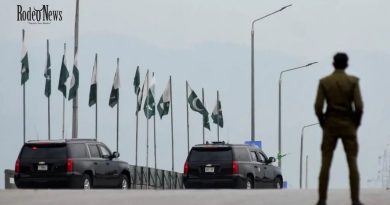
China’s energy leverage has become a significant backdrop to President Xi Jinping’s visit to the United States, as the Iran war continues to disrupt energy markets and reshape the calculations of major economies.
Xi is in Washington for talks with President Donald Trump at a moment when energy security has moved closer to the center of global economic and diplomatic strategy. The two leaders are expected to discuss trade, technology and artificial intelligence, but the conflict involving Iran adds another complicated dimension to their meeting.
China’s position is unusual. It remains heavily dependent on imported energy, yet years of investment in oil reserves, electric vehicles, renewable power and battery technology have given Beijing additional ways to absorb energy shocks.
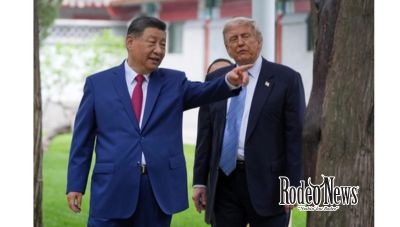
That combination is helping China enter the latest US-China talks with greater flexibility.
China Energy Leverage Has Grown During the Iran War
The war and disruptions surrounding the Strait of Hormuz have created a difficult environment for oil-importing countries.
China is particularly exposed because it imports a large share of its crude oil, including significant volumes from the Gulf region. Yet Beijing has spent years building strategic reserves and expanding alternatives to conventional fossil fuels.
A recent analysis from Chatham House said China has been able to absorb much of the energy shock through stockpiles and a decade of electrification. The research noted that China imports about 70% of its oil, with roughly half coming from the Gulf, making its relative resilience especially notable.
China’s preparedness matters because energy prices can quickly affect inflation, manufacturing costs and household spending.
For Washington, the issue creates an additional complication. The Trump administration has sought greater economic pressure on Iran, while Beijing has maintained its commercial relationship with Tehran.
China is Iran’s largest oil buyer, according to current reporting, giving Beijing a direct economic connection to the conflict and another channel through which it can influence the wider energy market.
Xi Arrives as Oil Markets Remain Volatile
Xi’s visit comes as global markets continue to react to developments in the Middle East.
Oil prices have moved sharply during the conflict, although the latest market session showed some relief. Reuters reported that Brent crude fell 0.43% to about $99.92 a barrel on September 22, while US crude declined 0.47% to approximately $95.33.
Those prices remain sensitive to developments involving supply routes and the Strait of Hormuz.
The waterway is one of the world’s most important energy corridors. Any prolonged disruption can affect crude and fuel supplies well beyond the Middle East, placing pressure on countries that depend heavily on imports.
China’s large reserves therefore provide Beijing with an important economic cushion.
That does not mean China is immune from the crisis. Higher energy costs can still affect Chinese businesses and consumers. However, stockpiles and a rapidly expanding domestic clean-energy system give Beijing more options than it had during previous energy shocks.
Clean Energy Adds Another Layer of Influence
China’s energy position extends beyond oil.
The country has become a major global supplier of solar equipment, electric vehicles and lithium-ion batteries. Those industries have become increasingly important as governments search for alternatives to fossil fuels.
The Iran conflict has highlighted that connection.
As oil and gas supplies become more vulnerable to geopolitical disruption, countries have stronger incentives to develop electricity systems based on renewable sources, storage technology and electric transportation.
That trend potentially benefits Chinese manufacturers because China occupies major positions across several clean-energy supply chains.
Chatham House argued that the current crisis demonstrates how electrification can function as an energy-security strategy, while also highlighting Europe’s dependence on Chinese technology in some areas of the transition.
For Beijing, that creates a form of influence that is different from traditional oil power.
Instead of controlling a major oil field, China can influence energy markets through manufacturing capacity, technology, batteries and supply chains.
Trump and Xi Face a Complicated Summit
The energy issue is only one part of a much broader relationship.
Trump and Xi are meeting while the United States and China remain deeply competitive in trade, artificial intelligence, technology and national security.
The two governments have stepped back from the extreme tariff confrontation of the previous year, but many restrictions remain.
The Associated Press reported that both countries are attempting to maintain stability even as their competition over AI and advanced technology intensifies. The meeting is Xi’s first visit to Washington in a decade.
Reuters has similarly reported that the summit is expected to focus heavily on maintaining the existing trade truce rather than producing a sweeping new agreement.
That makes the energy dimension particularly important.
The two leaders do not have to reach an agreement on Iran for energy security to affect their negotiations. The changing energy environment alters the economic incentives surrounding the talks.
Beijing Has Little Reason to Abandon Tehran
One of the most difficult questions for Washington is how much pressure China is willing to place on Iran.
The Trump administration has pushed for stronger economic isolation of Tehran. Beijing, however, has maintained its right to continue trading with Iran.
Recent analysis from Radio Free Europe/Radio Liberty said expectations for a major US-China breakthrough on Iran remain low. It also reported that Chinese Foreign Minister Wang Yi met his Iranian counterpart in Beijing on September 16, highlighting the continued diplomatic relationship between the two governments.
China’s relationship with Iran is not simply ideological.
Energy is a major factor.
China needs reliable supplies, while Iran needs buyers for its oil and access to international markets. That creates a practical relationship even when Beijing does not fully support Tehran’s broader regional strategy.
At the same time, China maintains important relationships with Gulf states that have interests very different from Iran.
That gives Beijing an incentive to preserve flexibility rather than become completely aligned with either side.
The Strait of Hormuz Remains a Major Risk
For global markets, the Strait of Hormuz remains one of the central concerns.
A prolonged disruption could raise transportation costs, increase insurance premiums and create additional pressure on energy prices.
China’s reserves can soften the initial impact, but they cannot eliminate the broader consequences of a sustained supply crisis.
The same is true for other major economies.
The International Energy Agency has already responded to the energy disruption with its largest-ever emergency stock release, according to Chatham House’s analysis.
That response demonstrates the scale of the threat facing energy-importing nations.
For policymakers, the crisis is becoming a lesson in resilience. Strategic reserves can provide time, but countries also need alternative supply routes and less dependence on vulnerable energy corridors.
Energy Could Strengthen China’s Negotiating Position
China’s growing energy resilience does not automatically translate into diplomatic control.
Still, it gives Xi additional room to maneuver.
A country that is less vulnerable to immediate energy shortages can approach negotiations differently from a country facing an urgent supply crisis.
That is particularly relevant when Washington is attempting to persuade Beijing to put pressure on Iran.
China can calculate the economic cost of cooperation against the benefits of maintaining access to Iranian energy and protecting its broader strategic interests.
The result is a complicated negotiation in which energy, trade and geopolitics are closely connected.
The Washington Institute has argued that the Middle East will be an important issue during the summit, alongside longstanding disputes over tariffs, export controls and Taiwan.
Trade and Energy Are Becoming Increasingly Connected
The US-China relationship is no longer defined by tariffs alone.
Technology, critical minerals, energy infrastructure and manufacturing capacity have all become strategic issues.
China’s dominance in several clean-energy supply chains is particularly relevant.
The United States is attempting to reduce dependence on Chinese technology in sensitive industries, while Beijing continues expanding its role as a major supplier to the global market.
At the same time, American policymakers are dealing with an energy crisis that demonstrates how quickly geopolitical conflicts can affect the world economy.
That creates competing priorities.
Washington wants to reduce strategic dependence on China. But replacing Chinese supply chains takes time, particularly in industries requiring large-scale manufacturing capacity.
A Reuters report published as Xi arrived for the summit offered another example of this challenge. US battery company EnerVenue opened a factory in China after abandoning plans for a Kentucky facility, citing supply-chain, engineering and cost considerations.
The development illustrates why economic interdependence remains difficult to unwind even amid intense strategic competition.
What Xi’s Visit Means for Global Markets
The immediate outcome of the summit will be closely watched by financial markets.
Investors are looking for signs that Washington and Beijing can maintain trade stability while avoiding new disruptions to technology and commodity flows.
Oil markets will also remain sensitive to developments involving Iran.
Reuters reported that global equities were relatively resilient on September 22, with the Nasdaq reaching a record intraday level while oil prices eased.
But market stability can change quickly if energy supplies are disrupted again.
For China, the current environment reinforces the value of policies pursued over many years: building reserves, expanding domestic energy production and accelerating electrification.
For the United States, meanwhile, the crisis highlights the importance of energy security and diversified supply chains.
A New Dimension in US-China Competition
Xi’s visit comes at a time when the relationship between Washington and Beijing is entering another complicated phase.
Trade tensions have eased from their previous peak, but competition over technology and strategic industries remains intense.
Iran adds another layer.
China’s energy position means Beijing has interests that extend beyond simply responding to US pressure. Its access to Iranian oil, large strategic reserves and strength in clean-energy manufacturing all contribute to a broader economic strategy.
That does not guarantee that China will use these advantages aggressively.
Instead, the current crisis gives Beijing more choices.
For Xi, the Washington summit therefore arrives with an energy landscape that looks very different from previous US-China meetings.
For Trump, the challenge is balancing pressure on Iran and China with the need to preserve economic stability.
And for global markets, the biggest concern remains whether the conflict will continue disrupting energy supplies or whether supply routes can gradually normalize.
The answer could shape inflation, trade and investment well beyond the Middle East.
For now, Xi enters Washington with energy security increasingly intertwined with China’s economic strategy. The Iran war has exposed vulnerabilities across the global energy system, while China’s investments in reserves and clean technology have provided Beijing with additional resilience.
That gives the US-China relationship another critical issue to manage — one in which oil, technology, trade and geopolitics are becoming harder to separate.