Paramount Warner Bros. Merger Enters a Critical Week as Settlement Talks Intensify
The Paramount Warner Bros. merger is entering a pivotal stage as Paramount Skydance and California officials work to resolve an antitrust dispute that has delayed the proposed acquisition of Warner Bros. Discovery.
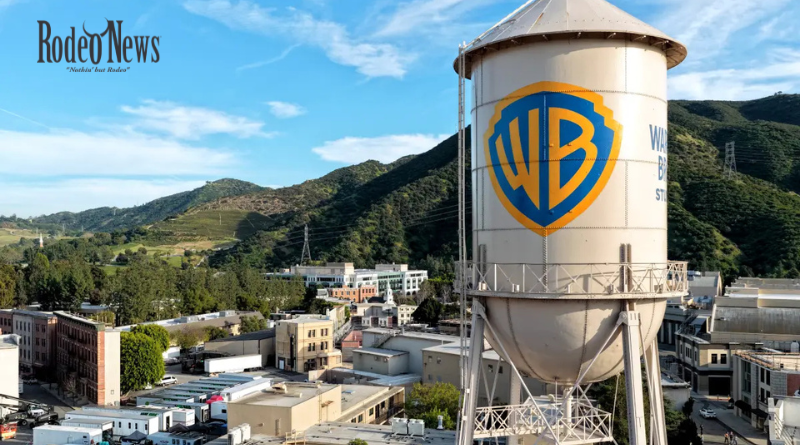
The $111 billion transaction has already cleared numerous regulatory hurdles around the world. However, a lawsuit brought by California Attorney General Rob Bonta and 11 other states remains a major obstacle to closing the deal.
The latest developments have increased pressure on all sides to reach an agreement. Paramount Skydance has been discussing possible concessions with California, while opponents of the proposed settlement are urging state attorneys general not to accept terms they believe would not sufficiently address competition concerns.
At the same time, Paramount has warned that continued uncertainty could have consequences for its operations in Hollywood, adding another layer of pressure to an already complicated corporate and legal battle.
Paramount Warner Bros. merger faces crucial settlement talks
The immediate focus is on negotiations between Paramount Skydance and California Attorney General Rob Bonta.
According to the Los Angeles Times, the two sides have made progress in recent days. However, New York Attorney General Letitia James and at least two other attorneys general involved in the lawsuit have expressed reservations about reported compromises.
The disagreement centers on whether the proposed conditions would adequately address concerns about the combined company’s size and influence across the entertainment industry.
Paramount Skydance is seeking to acquire Warner Bros. Discovery, bringing together two major Hollywood studios and a broad collection of television and entertainment assets.
The combination would put properties associated with Paramount, CBS, Warner Bros., HBO and CNN under the same corporate umbrella.
That scale has become central to the legal dispute.
What is at stake in the Paramount Warner Bros. merger?
The proposed transaction would create one of the largest entertainment companies in the United States.
Paramount already operates Paramount Pictures, CBS and a range of television and streaming businesses. Warner Bros. Discovery owns Warner Bros., HBO and CNN, along with numerous cable and entertainment brands.
Paramount CEO David Ellison has argued that combining the companies would give the resulting business greater scale and allow it to compete more effectively in an increasingly competitive global entertainment market.
Paramount has also pointed to regulatory approvals in numerous jurisdictions as evidence that competition authorities have reviewed the transaction and found no reason to prevent it.
In August, Paramount said it had obtained regulatory clearances covering nearly 70 countries and that the U.S. Justice Department had also approved the transaction.
The remaining legal challenge, however, has prevented the companies from completing the acquisition.
Why state attorneys general are challenging the deal
California and 11 other states filed an antitrust lawsuit seeking to stop the Paramount Warner Bros. merger.
The states’ concerns focus on the potential effect of combining major entertainment assets and the resulting company’s influence over film and television markets.
The lawsuit has already caused substantial delays.
A federal judge previously issued a temporary restraining order that paused the transaction while the court considered the states’ arguments. Paramount subsequently agreed to delay the transaction, potentially pushing the closing timetable well into 2027 if the legal dispute could not be resolved.
The settlement discussions now represent a possible route around that prolonged litigation.
But reaching an agreement may require Paramount to accept conditions that could change the economics or structure of the proposed transaction.
Paramount discusses major concessions
Recent reporting indicates that Paramount and California have discussed several possible concessions.
Reuters reported Monday that negotiations include a potential $1.5 billion investment in movie and television production in California and a commitment to retain studio facilities in the state.
Other reported ideas include requirements related to Paramount’s film production commitments, possible divestitures involving cable assets and measures intended to protect the editorial independence of CNN.
The reported CNN proposal is particularly significant because the network would become part of the same corporate group as CBS News following the acquisition.
The discussions have not been publicly finalized, and the details remain subject to negotiations.
Paramount and the California attorney general’s office have not confirmed every reported element of the talks.
CNN and CBS create an additional point of controversy
One of the most closely watched issues involves the future of CNN.
Warner Bros. Discovery owns CNN, while Paramount operates CBS News. A completed merger would therefore place two major American news organizations under the same ownership.
According to the Los Angeles Times, one proposed settlement condition would establish a bipartisan editorial board intended to monitor CNN.
The proposal has drawn criticism from some lawmakers and entertainment figures.
Those critics argue that ownership of both CNN and CBS News could create concerns about media concentration and editorial independence.
Paramount, meanwhile, has maintained that the transaction can proceed while addressing regulatory concerns through appropriate safeguards.
The debate illustrates how the proposed merger extends beyond traditional questions about movie studios and streaming services.
Hollywood watches the merger closely
The Paramount Warner Bros. merger is also being closely followed in Los Angeles because of its potential effect on Hollywood employment and production.
Paramount has reportedly considered moving some operations outside California if the legal fight continues.
The Los Angeles Times previously reported that Paramount had explored contingency plans involving a possible relocation of its headquarters and studio operations.
The possibility has generated concern among local officials and people working in California’s entertainment industry.
Paramount has indicated that remaining in California is its preference, but the company has also discussed alternatives as the merger dispute continues.
For Los Angeles, the stakes are significant because the city has already experienced substantial changes in the entertainment business, including production shifts, layoffs and consolidation.
A major restructuring involving Paramount and Warner Bros. could therefore have effects beyond the companies themselves.
Paramount says the merger has broad regulatory support
Paramount has emphasized that regulators in many countries have already reviewed the transaction.
The company announced in August that it had satisfied regulatory conditions required under its merger agreement after receiving clearances across dozens of jurisdictions.
The United Kingdom’s Competition and Markets Authority was among the regulators to clear the transaction. The European Commission also previously approved the deal.
Paramount has used those approvals to argue that the transaction has undergone extensive scrutiny.
However, approval in other jurisdictions does not resolve the separate legal challenge brought by the U.S. states.
The states’ lawsuit is being considered under U.S. antitrust law, making the outcome dependent on the domestic legal process and any settlement that may be reached.
FCC approval removes another hurdle
Another important development came from the Federal Communications Commission.
Reuters reported that the FCC approved Paramount Skydance’s request involving foreign investment in the merged company. The approval includes restrictions intended to prevent foreign investors from holding voting control or influencing company operations and content decisions.
The decision removed another regulatory obstacle for the transaction.
Paramount has argued that the ownership arrangement would allow foreign investors to participate financially without giving them control over management or editorial decisions.
The FCC’s action nevertheless adds to the broader debate surrounding the ownership structure of the proposed combined company.
Why this week matters
The latest settlement negotiations could determine whether the Paramount Warner Bros. merger moves closer to completion or returns to a prolonged court fight.
For Paramount Skydance, time has become increasingly important.
The company faces financial and strategic uncertainty while the acquisition remains unresolved. Earlier reporting indicated that the transaction could involve substantial ongoing costs if the closing is delayed.
For California and the other states, the negotiations represent an opportunity to seek conditions addressing their concerns without necessarily waiting for a full trial.
But not every state involved in the litigation appears ready to accept the terms currently being discussed.
That makes the negotiations particularly delicate.
A settlement that satisfies California but fails to win support from other states could still leave the legal dispute unresolved.
What happens if the sides fail to reach an agreement?
If negotiations break down, the litigation could continue.
The companies and the states have already spent months preparing for a legal battle over whether the transaction violates antitrust law.
A prolonged case could delay the merger significantly and increase legal and financial costs for Paramount.
It could also create additional uncertainty for Warner Bros. Discovery employees, investors, filmmakers and other business partners.
Paramount’s reported willingness to discuss concessions suggests that the company is attempting to find a path toward closing rather than simply waiting for the lawsuit to run its course.
However, the exact terms of any settlement remain unsettled.
A defining moment for Hollywood consolidation
The Paramount Warner Bros. merger is about more than the combination of two entertainment companies.
If completed, the deal would reshape the ownership of major Hollywood studios, television networks, streaming services and news organizations.
It would also represent another major step in the consolidation of the traditional entertainment industry.
The companies argue that scale is increasingly important as they compete with global technology and streaming businesses.
Opponents of the merger have focused instead on the potential consequences of concentrating so many major entertainment assets under one owner.
Those competing arguments are now playing out through settlement negotiations and the ongoing antitrust case.
For Hollywood, the outcome could influence corporate strategy, studio employment, production decisions and the future ownership of major media brands.
For Paramount Skydance and Warner Bros. Discovery, the immediate question is whether the sides can reach an agreement that satisfies state officials while allowing the acquisition to proceed.
The bottom line
The Paramount Warner Bros. merger has reached a critical stage.
Paramount Skydance and California officials are discussing a potential settlement that could address some of the states’ concerns, with reported proposals involving investment in California production, studio commitments, possible asset sales and safeguards surrounding CNN.
Yet significant disagreements remain.
Other attorneys general have reportedly expressed reservations about the proposed compromises, while critics of the deal continue to pressure state officials to demand stronger conditions.
The coming days could therefore determine whether Paramount’s $111 billion pursuit of Warner Bros. Discovery moves toward completion or faces another round of legal uncertainty.
For an industry already undergoing rapid consolidation, the result could have lasting consequences for Hollywood’s corporate landscape.