
Pakistan Mosque Bomb Attack Kills 16, Injures More Than 56
A Pakistan mosque bomb attack in the northwestern city of Kohat has killed at least 16 people and injured more than 56 others, according to the latest reports, after an explosives-laden vehicle struck a mosque inside a police compound during Friday prayers.
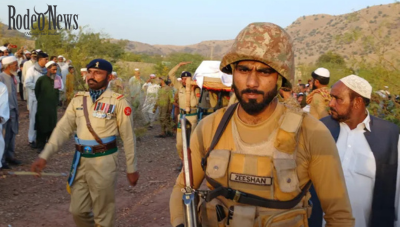
The attack occurred on September 18 in Kohat, in Pakistan’s Khyber Pakhtunkhwa province near the Afghan border. Five police officers were among those killed, while many of the wounded were worshippers who had gathered for Friday prayers.
The explosion was followed by a gun battle involving armed attackers and police officers inside the compound.
No group had immediately claimed responsibility for the attack. However, the region has experienced a significant increase in militant violence, with groups including the Pakistan Taliban, or Tehreek-e-Taliban Pakistan (TTP), and an ISIL affiliate active in the area.
Pakistan Mosque Bomb Attack Hits Police Compound
According to Pakistani officials cited by Al Jazeera and Reuters, the attack began when a vehicle loaded with explosives was driven into the outer area of the police facility.
The mosque was located within the police headquarters compound in Kohat. Officers and their families were among those attending Friday prayers when the explosion occurred.
The blast caused extensive damage to the mosque and surrounding structures. The compound’s outer wall collapsed, while rescuers were forced to search through debris for victims.
Reuters reported that seven attackers were killed in the explosion and the gun battle that followed, according to police.
Authorities continued security and clearance operations following the attack.
Death Toll Rises as Rescue Teams Search the Area
Initial reports placed the number of victims considerably lower.
Early information from local officials indicated that at least 15 people had been killed and more than 50 injured. As authorities continued confirming casualties, the reported death toll increased to at least 16.
Al Jazeera reported that five police officers and 10 civilians were among the initial confirmed fatalities, while later reporting put the overall death toll at 16. More than 56 people were reported injured.
Reuters later reported 57 wounded.
The differing figures reflect the rapidly developing nature of the incident. Officials have warned that casualty numbers could change as hospitals assess victims and authorities complete their response.
Several injured people were reportedly in critical condition.
Friday Prayers Turn Into Scene of Chaos
The attack occurred while people were gathered for one of the most important weekly Muslim prayers.
Witness accounts and images from the scene showed significant destruction around the mosque and police compound. Rescue workers transported wounded victims to hospitals while residents and emergency personnel searched the damaged area.
The location of the mosque inside a police facility appears to have made the incident particularly significant from a security perspective.
Police and their families were present at the compound when the explosion occurred, contributing to the number of security personnel among the casualties.
Reuters reported that five police officers were killed in the attack.
Gun Battle Followed the Explosion
The bombing was followed by an exchange of gunfire.
According to Pakistani police, armed men attempted to enter the police compound after the explosion. Officers responded, leading to a gun battle.
Police later said all seven attackers had been killed in the explosion and subsequent fighting.
The sequence of the bombing and shooting suggests that the incident involved more than a single explosive device, although investigators were continuing to establish the exact circumstances.
Authorities have not announced a definitive motive beyond the apparent targeting of the police facility.
No Group Immediately Claims Responsibility
One of the major unanswered questions is who carried out the attack.
No organization had immediately claimed responsibility, according to reports published Friday.
The area has nevertheless been affected by attacks involving several armed groups.
Al Jazeera reported that both an ISIL affiliate and the TTP operate in the region and have previously targeted security forces.
The TTP, also known as the Pakistani Taliban, is separate from Afghanistan’s Taliban government, although the groups have historical and ideological links.
Reuters reported that the TTP publicly denied involvement in Friday’s attack.
That denial is significant because Pakistani authorities have frequently accused the TTP of using bases or safe havens in Afghanistan to plan attacks inside Pakistan.
Afghanistan’s Taliban authorities have rejected those accusations.
Rising Violence in Khyber Pakhtunkhwa
The Pakistan mosque bomb attack comes amid continuing security concerns in Khyber Pakhtunkhwa.
The province borders Afghanistan and has long experienced militant violence. Security forces, police installations and government facilities have repeatedly been targeted.
The latest bombing occurred only one day after a roadside attack on a security forces convoy in nearby Hangu district reportedly killed six soldiers, according to Al Jazeera.
Pakistani security forces also carried out raids in several locations on Thursday. Authorities said 10 fighters believed to belong to the TTP were killed during those operations.
The sequence of events illustrates the continuing security pressure faced by Pakistani authorities in the country’s northwestern regions.
Pakistan Government Orders Rescue Operations
Prime Minister Shehbaz Sharif condemned the bombing and directed authorities to accelerate rescue and medical operations.
The government’s interior ministry also condemned the attack.
Officials said the incident would not weaken the country’s response to militant violence.
Authorities were instructed to provide medical treatment to the wounded and support families affected by the attack.
Hospitals in Kohat received a large number of casualties following the blast, prompting emergency measures to accommodate the injured.
Investigation Underway
Investigators are now examining the explosives used in the attack, the vehicle involved and the movements of the attackers before the bombing.
The investigation will also seek to establish whether the attackers received outside assistance.
The exact planning and logistics behind the assault remain unclear.
Officials have not yet released a detailed account of how the explosives-laden vehicle reached the police compound or whether security personnel had received advance warnings.
Those questions are likely to become central to the investigation in the coming days.
Afghanistan Border Adds to Security Concerns
Kohat is located in Khyber Pakhtunkhwa, a province that has become a major focus of Pakistan’s counterterrorism operations.
The province’s proximity to Afghanistan has also complicated relations between Islamabad and Kabul.
Pakistan has repeatedly accused armed groups of operating from Afghan territory and planning attacks across the border. Afghanistan’s Taliban government has rejected those allegations and has argued that Pakistan’s security problems are domestic matters.
The dispute has contributed to tensions between the two countries.
The latest attack could therefore add pressure to an already difficult relationship, although it is too early to determine what diplomatic or military consequences may follow.
Previous Attacks Have Targeted Mosques
The bombing also recalls previous deadly attacks on mosques in Pakistan.
Khyber Pakhtunkhwa has experienced some of the country’s most serious attacks on places of worship and government facilities.
In 2023, a suicide bombing at a mosque in Peshawar killed more than 100 people. The mosque was located inside a police compound, making the incident particularly devastating for security personnel.
The history of such attacks has made security around mosques, police facilities and other public locations an ongoing concern.
Friday’s incident once again highlights the risks faced by civilians and security personnel in areas affected by militant violence.
What Happens Next?
The immediate priority for Pakistani authorities is the treatment of those injured and the completion of the investigation.
Officials will also need to determine whether additional attackers or facilitators remain at large.
Security forces are expected to maintain heightened vigilance around police installations and other government facilities in the region.
Meanwhile, investigators will examine evidence from the blast site as they work to identify those responsible.
The absence of an immediate claim of responsibility means that attribution remains unresolved.
Authorities will likely look at the TTP, ISIL-affiliated groups and other militant networks active in the region as part of their investigation, but identifying a possible suspect is different from establishing responsibility.
Pakistan Mosque Bomb Attack Remains Developing Story
The Pakistan mosque bomb attack in Kohat is still a developing story, and casualty figures may change as hospitals continue treating victims.
The latest reports indicate that at least 16 people were killed and more than 56 were injured, with five police officers among the dead. Reuters reported 57 wounded.
The bombing struck during Friday prayers at a mosque inside a police compound, followed by a gun battle between attackers and security personnel.
No group had immediately claimed responsibility, while the TTP has denied involvement.
For Pakistan, the attack adds to a continuing pattern of militant violence in Khyber Pakhtunkhwa and comes amid wider tensions involving security operations and the country’s relationship with neighboring Afghanistan.
Authorities are expected to continue investigating the attack while providing treatment and assistance to the victims and their families.
Because the incident is still unfolding, further information about the perpetrators, motive, casualty numbers and security response may emerge as investigators release additional findings.