
Ukraine Train Strike Near Poland Raises Alarm Across Europe
A Ukraine train strike near the Polish border has triggered fresh concerns about the widening risks of Russia’s war, after a Russian drone hit a passenger train in western Ukraine only a short time after a diplomatic train carrying senior European figures had passed through the area.
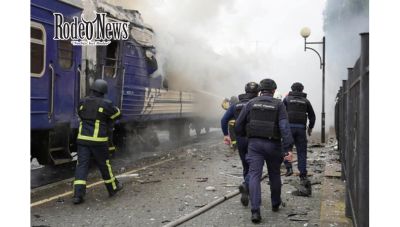
The attack happened Sunday near the Yahodyn railway station in Volyn, roughly two kilometers from Poland. No passengers were reported killed or injured, but the incident immediately attracted international attention because of the proximity to NATO territory and the presence of prominent Western figures in the area.
Ukrainian railway officials said the circumstances raised the possibility that a diplomatic train may have been the intended target.
Ukraine Train Strike Hits Passenger Railway Near Poland
According to Ukrainian railway authorities, a Russian drone struck the locomotive of a passenger train near the Ukraine-Poland border.
The train was traveling toward Warsaw and had been operating close to the Yahodyn-Dorohusk crossing, an important transportation connection between Ukraine and Poland. The attack damaged railway equipment but did not result in reported casualties among passengers.
The timing of the strike was particularly significant.
A separate diplomatic train carrying former British Prime Minister Boris Johnson, former Swedish Prime Minister Carl Bildt and other European officials had passed through the station shortly beforehand. The diplomatic train had reportedly left earlier than initially planned after a warning about a possible drone threat.
Another train carrying former CIA Director David Petraeus was also in the area around the time of the attack.
Ukrainian Railways said it could not rule out the possibility that the diplomatic train had been targeted. However, that assessment has not been independently established, leaving questions about the drone’s exact objective.
Attack Raises Concern Over NATO Border
The Ukraine train strike has added another layer of tension to an already dangerous section of the war.
The location is particularly sensitive because the railway line runs close to Poland, a member of NATO and one of Ukraine’s most important Western supporters. The strike therefore occurred only a short distance from territory covered by the alliance’s collective defense commitments.
Polish and Ukrainian officials described the attack as an escalation. Polish Foreign Minister Radoslaw Sikorski said the proximity of the incident to Poland was deeply concerning and argued that Western countries should strengthen their support for Kyiv.
The incident also comes as Russian attacks increasingly target infrastructure across Ukraine, including railways that remain essential for civilian transportation, military logistics and international connections.
Ukraine’s railway network has played a crucial role throughout the war. Trains have transported civilians away from dangerous areas, moved essential supplies and maintained connections between Ukraine and neighboring European countries.
That makes railway infrastructure an important part of the country’s ability to function during wartime.
European Leaders Condemn the Strike
The attack quickly drew condemnation from European officials.
French Foreign Minister Jean-Noel Barrot said the strike appeared intended to intimidate European countries and create divisions over their continued support for Ukraine. NATO Secretary General Mark Rutte also rejected the idea that attacks of this kind would weaken Western backing for Kyiv.
Rutte argued that Russia would not succeed in using such attacks to undermine European unity.
The comments reflect growing concern among European governments that the consequences of the war could increasingly reach areas close to NATO territory.
For Poland, the incident is particularly sensitive. The country has become one of the principal logistical routes for humanitarian assistance and military support moving toward Ukraine. Any sustained disruption to transportation links near the border could therefore have consequences extending well beyond civilian train schedules.
Russia Maintains Its Military Operations
The Kremlin did not indicate that Russia would halt operations following the incident.
Russian presidential spokesman Dmitry Peskov said Russian forces would continue carrying out their military objectives across Ukraine when questioned about the strike near the Polish border. Russian authorities have previously maintained that attacks on Ukrainian infrastructure are part of the broader military campaign.
Ukraine and its allies, however, view attacks near international borders as part of a broader pattern of escalation.
The latest incident comes amid intensified Russian drone activity and follows other strikes that have affected transportation infrastructure in western Ukraine.
Railway Network Remains Vital to Ukraine
Despite repeated attacks, Ukraine’s railway system continues to operate.
Rail travel has become one of the country’s most reliable forms of transportation during the war. It has allowed millions of people to travel despite damaged roads, disrupted airports and continuing missile and drone threats.
The network also provides a critical connection with European countries, particularly Poland.
That dependence makes railway infrastructure both strategically important and vulnerable.
The latest Ukraine train strike demonstrates the difficult balance Ukrainian railway workers face every day. Trains must continue moving, even when drone warnings can force sudden schedule changes and evacuations.
For European governments, the attack is another reminder that the war remains dangerously close to NATO territory.
While no casualties were reported in the railway incident, its location and timing have intensified fears that attacks on Ukrainian infrastructure could increasingly carry wider European security implications.
As the war continues, the safety of railway routes linking Ukraine with the rest of Europe is likely to remain a major concern for Kyiv, its neighbors and its Western allies.